Tracing Patterns of Bonus Layering in Regulated Online Casino Environments
Ben Schulz · Jul 14, 2026

Tracing Patterns of Bonus Layering in Regulated Online Casino Environments
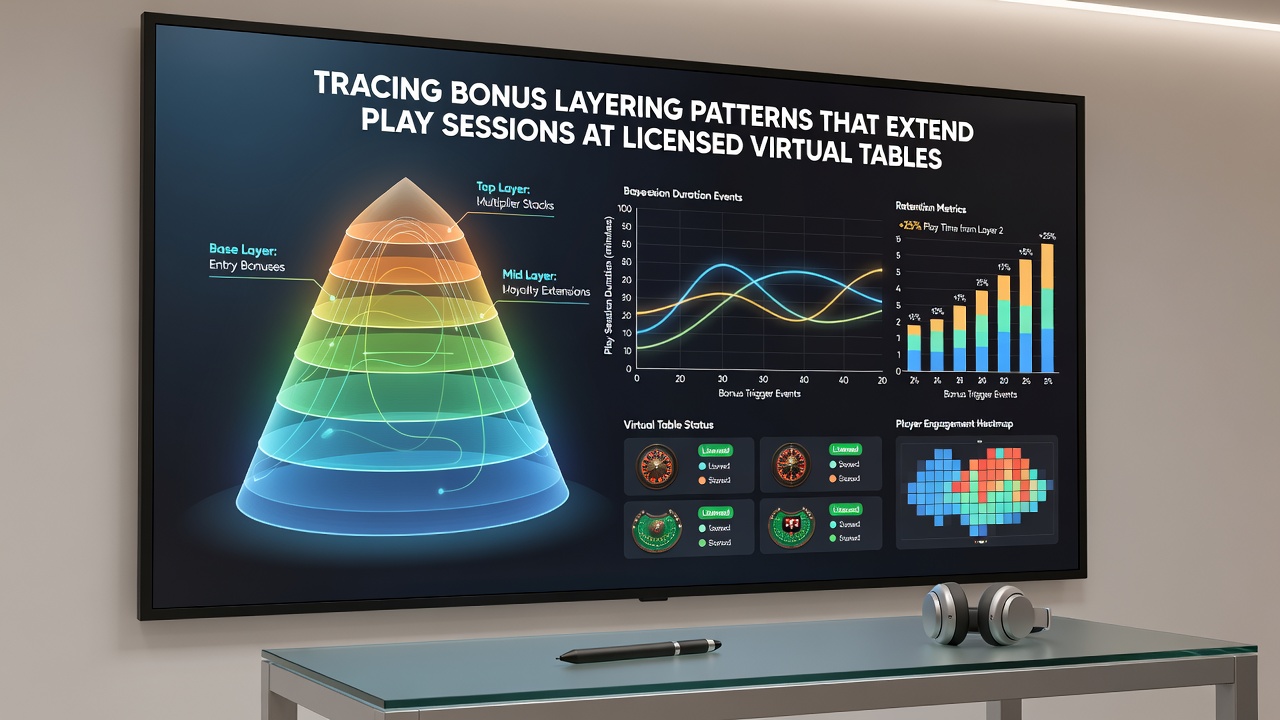
Bonus layering refers to the strategic combination of multiple promotional offers at licensed virtual tables where players stack deposit matches, free spins, cashback incentives, and loyalty rewards in sequence. Data collected from regulated platforms shows that these combinations create extended session durations as each layer activates after the previous one reaches its wagering threshold. Operators track these sequences through player account analytics while regulators in various jurisdictions monitor compliance with bonus terms that limit stacking across game types.
Mechanics Behind Layered Offers at Virtual Tables
Licensed platforms structure bonuses with specific activation rules that allow one promotion to transition into another without interruption. A typical sequence begins with a welcome deposit match that unlocks a cashback layer once playthrough requirements complete, and this transitions further into loyalty points redeemable at table games. Research from the University of Nevada Reno's gaming studies program indicates that such sequenced offers increase average session length by aligning reward triggers with player behavior patterns observed in blackjack and roulette environments. Players encounter these mechanics through account dashboards that display remaining requirements across active promotions simultaneously.
Virtual table environments differ from slot-focused bonuses because table games often carry higher contribution percentages toward wagering requirements. This difference encourages layering across poker variants and baccarat tables where players meet thresholds faster per hand. Figures from the New Jersey Division of Gaming Enforcement reveal that table game bonus claims rose steadily through mid-2026 as operators introduced multi-tier loyalty programs tied directly to session tracking software.
Observed Patterns in Session Extension Data
Analytics platforms used by licensed operators detect recurring sequences where players activate deposit bonuses on day one, follow with reload offers mid-week, and conclude with cashback redemptions that reset playthrough counters. These patterns appear most frequently in jurisdictions with mature regulatory frameworks that require transparent bonus disclosures. A July 2026 report compiled by the Canadian Gaming Association documented similar layering behaviors across provincial online poker rooms where session extensions averaged 45 minutes longer when three or more promotions overlapped.
One study released by Singapore's Casino Regulatory Authority examined player logs from licensed remote tables and found that layered cashback structures correlated with sustained activity during peak evening hours. The data highlighted sequences in which players shifted between virtual blackjack adn three-card poker while maintaining active bonus eligibility across multiple offers. Such transitions keep accounts engaged without violating single-bonus restrictions enforced by platform algorithms.
Regulatory Monitoring of Layering Practices
Regulators require operators to maintain audit trails that record every bonus activation and its contribution to overall playtime. These records help identify whether layering crosses into prohibited territory such as simultaneous use of conflicting promotions. The Australian Communications and Media Authority has published guidelines that mandate clear separation between bonus types to prevent unintended session prolongation beyond advertised limits. Compliance teams review these logs monthly and compare them against player self-exclusion data to ensure responsible gaming thresholds remain intact.
Platform algorithms flag accounts that repeatedly cycle through layered offers within short timeframes. Such flags trigger manual reviews that verify whether terms allow the observed stacking sequence. Observers note that European operators licensed under Malta Gaming Authority rules apply similar detection methods while publishing aggregated statistics that show average session lengths tied to specific bonus combinations without identifying individual accounts.
Impact on Licensed Platform Operations
Operators adjust bonus structures based on session data to balance player retention with regulatory obligations. When layering patterns produce extended play, platforms often introduce cooldown periods between certain promotions to maintain compliance. Industry reports from teh European Gaming and Betting Association indicate that these adjustments appear most frequently in table game sections where wagering contributions accumulate rapidly. The result appears in updated terms that specify maximum concurrent bonuses per account rather than per game type.
Payment processors integrated with licensed platforms record the timing of deposits that unlock successive bonus layers. These timestamps provide additional data points for tracing how players time their activity to maximize overlapping offers. In July 2026 several operators updated their terms after reviewing processor data that showed clustered deposit patterns coinciding with weekend table tournaments.
Conclusion
Tracing bonus layering patterns requires coordinated analysis of player logs, regulatory disclosures, and operator compliance systems across licensed virtual table environments. Data from multiple jurisdictions demonstrates that sequenced promotions extend sessions through carefully timed activations while remaining within established rules. Continued monitoring by independent bodies ensures these patterns stay aligned with responsible gaming standards and transparent bonus structures.