The Operational Dynamics of Tiered Reward Mechanisms in Cross-Platform Gaming
Ben Schulz · Aug 2, 2026
The Operational Dynamics of Tiered Reward Mechanisms in Cross-Platform Gaming
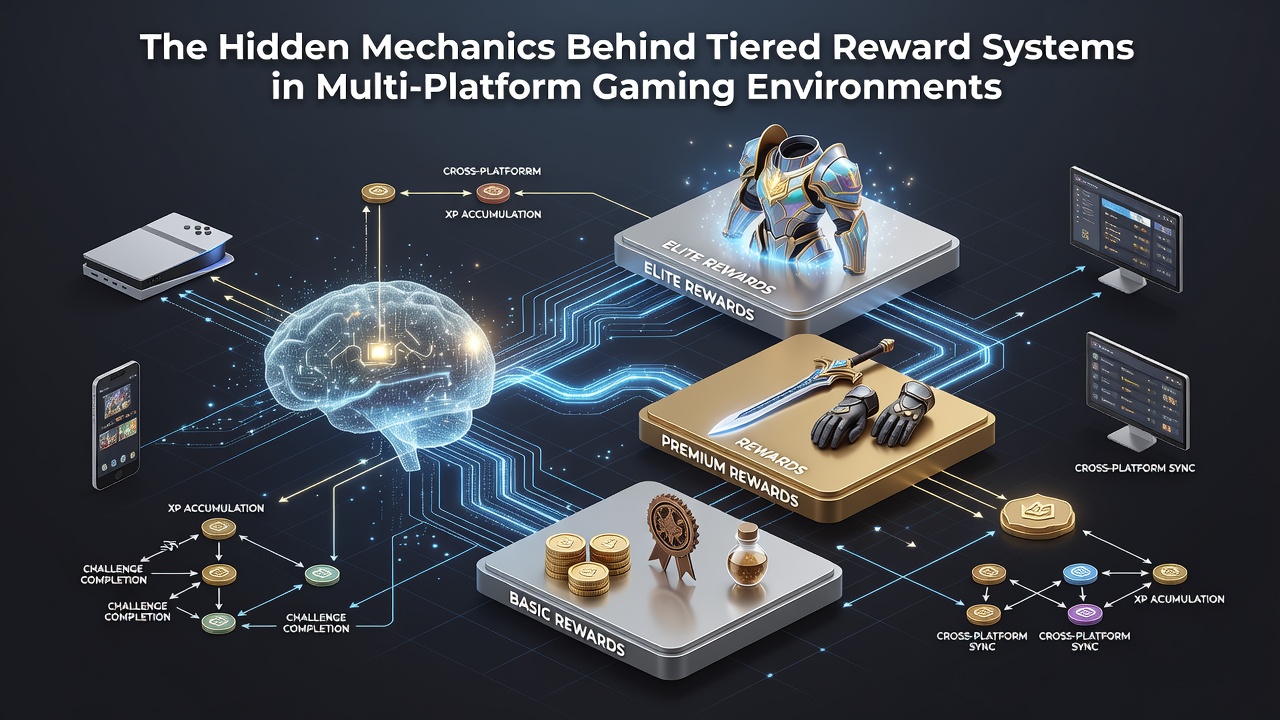
Multi-platform gaming environments integrate tiered reward systems that track player activity across devices and adjust incentives based on cumulative metrics such as session duration, transaction volume and engagement frequency, and developers deploy these structures to maintain consistent participation rates. Data from industry reports shows that such systems often segment users into bronze, silver and gold categories where each level unlocks progressively higher value items like bonus currency or exclusive content, while backend algorithms recalculate eligibility thresholds in real time to balance retention targets with revenue projections.
Core Components of Tiered Structures
Platforms collect telemetry from consoles, mobile applications and PC clients to feed centralized databases that assign points according to predefined formulas, and these formulas incorporate variables including login streaks, social interactions and in-game purchase history. Studies conducted by research institutions indicate that cross-device synchronization relies on unique player identifiers which merge activity logs, allowing a user who advances tiers on a smartphone during commute hours to access upgraded status upon switching to a home console. The process operates through application programming interfaces that push updated tier status to all linked endpoints within seconds of a qualifying action, and this synchronization prevents discrepancies that could otherwise disrupt player motivation.
Hidden mechanics frequently involve dynamic difficulty adjustments tied to tier status, where higher-level participants encounter calibrated challenges designed to extend play sessions without triggering frustration thresholds, and analysts have documented cases where reward velocity slows after initial tier climbs to encourage sustained investment. In August 2026 several major studios released updated frameworks that incorporated machine learning models to predict churn risk based on tier stagnation patterns, enabling proactive distribution of micro-rewards before users disengage.
Cross-Platform Data Integration
Integration across ecosystems requires standardized data protocols that comply with regional privacy regulations, and organizations such as the Entertainment Software Association have published guidelines on transparent data handling for reward calculations. Developers maintain separate ledgers for each platform while merging aggregate scores into a master profile, which means a player completing daily quests on a tablet contributes equally to tier progress as someone grinding ranked matches on a gaming rig. This unified scoring prevents platform-specific advantages from skewing overall progression and supports equitable reward distribution regardless of primary device preference.
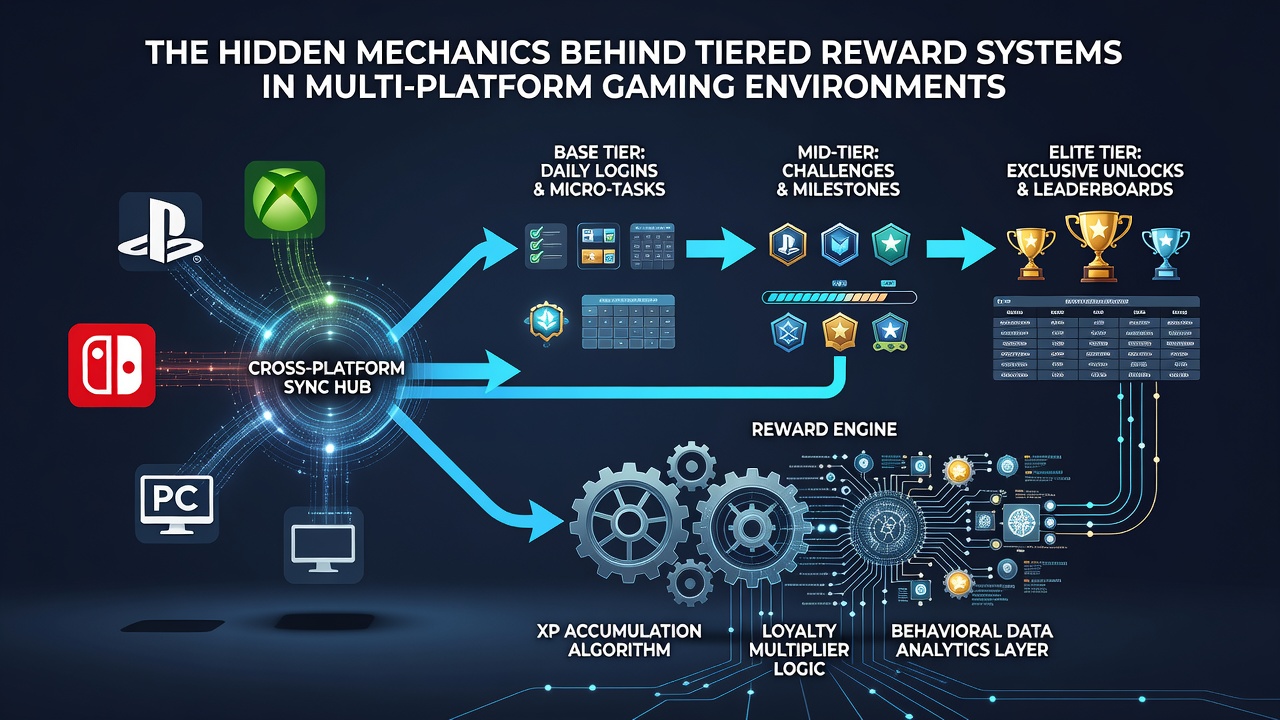
Revenue models attached to these systems often include tier-gated marketplaces where premium items appear only after specific thresholds are met, and transaction logs reveal that conversion rates rise measurably once players enter silver status. Research from academic sources including papers hosted by the University of Melbourne demonstrates that visual progress bars and milestone notifications serve as primary retention drivers, while the underlying probability tables that determine bonus drop rates remain obscured from end users. Regulatory bodies in multiple jurisdictions, including the Australian Competition and Consumer Commission, have examined these mechanics to ensure they align with consumer protection standards around disclosed odds and spending limits.
Algorithmic Adjustments and Retention Tactics
Algorithms continuously refine tier boundaries by analyzing cohort behavior across millions of accounts, shifting the points required for advancement when engagement metrics dip below projected benchmarks. Observers note that this adaptive approach allows operators to respond to seasonal fluctuations, such as increased mobile play during summer months, without manual intervention in the reward tables. Case examples from European gaming studios show that incorporating social sharing features into tier unlocks amplifies organic growth, as players broadcast achievements to recruit new participants who then begin their own progression journeys.
Multi-platform environments also embed anti-abuse filters that detect anomalous activity patterns like rapid point accumulation from scripted inputs, automatically freezing tier progress until verification occurs. These safeguards protect the integrity of the reward economy and maintain trust among legitimate users who invest time across devices. Figures released by trade associations indicate that platforms employing robust tier systems report average session length increases of 18 to 25 percent compared with non-tiered counterparts, underscoring the measurable impact on participation metrics.
Conclusion
Tiered reward systems in multi-platform gaming continue to evolve through refined data aggregation and predictive modeling that balances player satisfaction with operational objectives. Cross-device tracking combined with algorithmic calibration creates layered incentive structures that adapt to individual behavior while scaling across large user bases. Regulatory scrutiny from bodies outside the UK ensures ongoing alignment with transparency requirements, and ongoing technological refinements suggest these mechanics will remain central to engagement strategies in the years ahead.