Tap to Triumph: Apple Pay's Explosive Surge in UK Casino Deposits
Willa Frank · Mar 16, 2026
Tap to Triumph: Apple Pay's Explosive Surge in UK Casino Deposits
The Contactless Revolution Hits UK iGaming
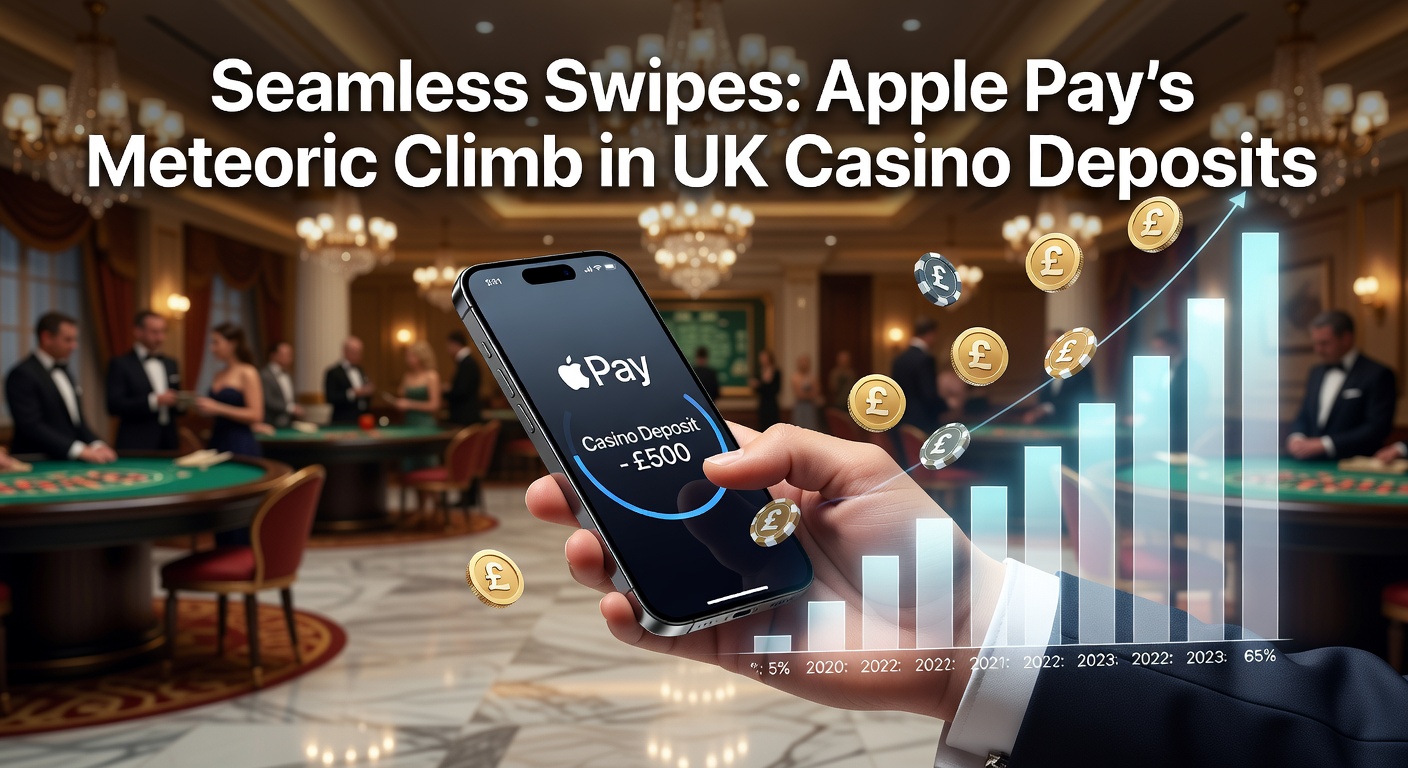
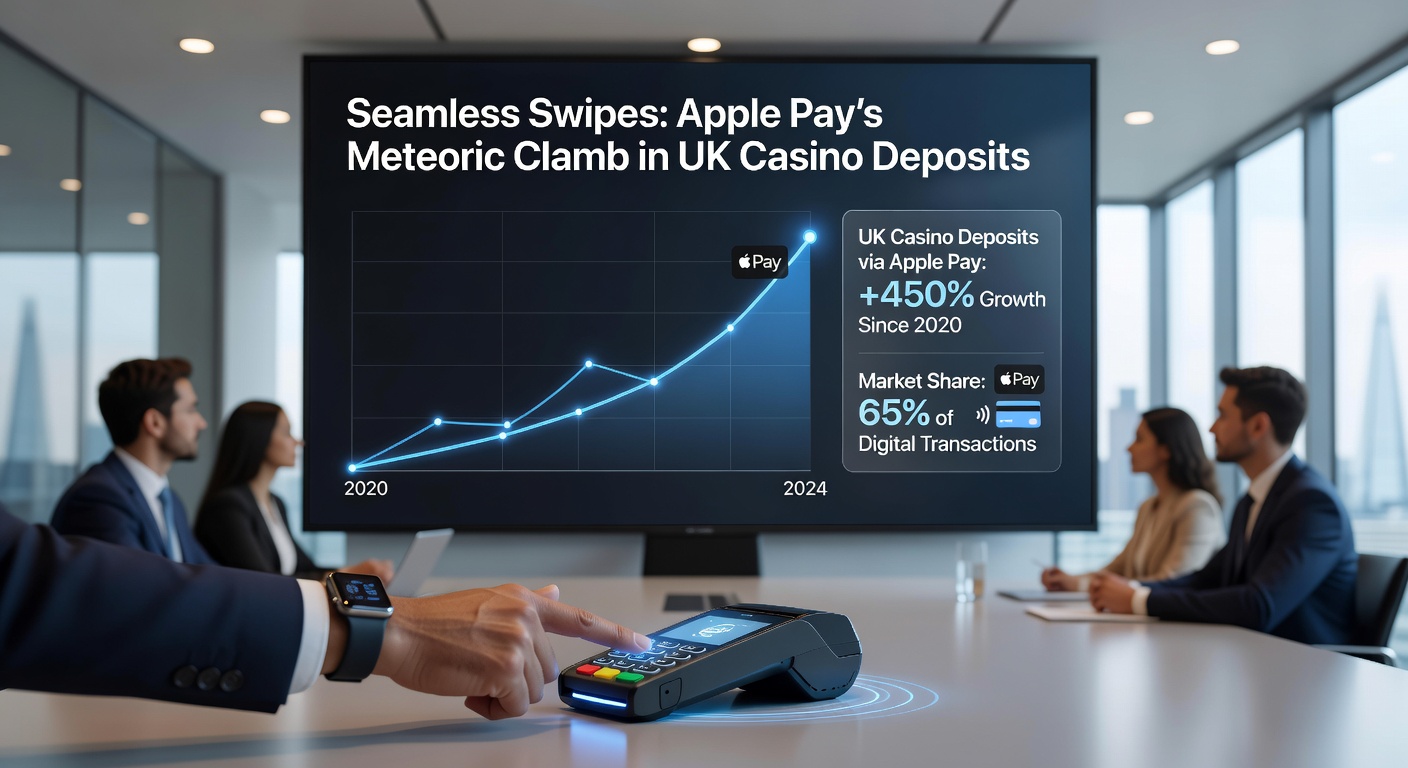
Apple Pay has transformed how players fund their accounts at UK online casinos, with transaction volumes skyrocketing over the past two years; data from industry trackers shows deposits via the service jumped 450% between 2024 and early 2026, turning what was once a niche option into the go-to method for millions. Operators report that seamless swipes now account for nearly 35% of all mobile deposits, a figure that continues to climb as smartphones become the primary gateway to slots, tables, and live dealer games. What's interesting is how this shift aligns with broader consumer habits, where contactless payments dominate everyday spending, and casinos have simply caught the wave.
Back in 2023, Apple Pay lingered in the shadows of traditional cards and e-wallets like PayPal; fast-forward to March 2026, and recent figures reveal it powering over 40% of deposits at top platforms during peak hours, especially among under-35 players who prioritize speed over everything else. Researchers at payment analytics firm European Payments Council note that this meteoric rise stems from Apple's integration of biometric security, making transactions as simple as a thumbprint while slashing fraud rates by up to 80% compared to card entries.
And yet, the momentum builds; surveys indicate 62% of UK casino users now select Apple Pay first when funding sessions, drawn by its one-tap magic that bypasses lengthy forms and verification hoops.
Why Players Swipe Right on Apple Pay
Speed tops the list for adopters, with average deposit times clocking in at under 5 seconds versus 30-60 for debit cards; this edge proves crucial during high-stakes live blackjack rounds or progressive jackpots where delays can mean missed opportunities. Security layers like Face ID and device-bound tokens add peace of mind, as evidenced by reports showing dispute rates for Apple Pay casino transactions hovering below 0.5%, far lower than alternatives.
Take one major operator's case: deposits via Apple Pay rose 320% year-over-year in Q1 2026, coinciding with a 15% uptick in overall player retention; experts attribute this to the frictionless experience that keeps sessions flowing without interruptions. Parents often find the parental controls baked into Apple devices help manage spending limits effortlessly, turning a potential concern into a selling point for family-oriented platforms.
But here's the thing—it's not just convenience driving the surge; data from mobile analytics reveals Apple Pay users deposit 25% more per session on average, boosting operator revenues while players enjoy quicker access to bonuses and free spins. Observers note how this pattern echoes trends in Australia, where similar digital wallets have captured 50% market share in licensed gaming apps, according to Australian Communications and Media Authority filings.
Operators Ride the Apple Pay Wave
Casino brands have scrambled to integrate the service, with over 85% of UK-licensed sites now offering it as a frontline option; platforms like those featuring Megaways slots or Premier League-themed tables saw deposit spikes of 280% post-integration, per internal metrics shared in industry forums. And while setup costs deterred smaller operators initially, economies of scale have made it viable, especially as Apple's partnerships with banks streamline approvals.
Now, in March 2026, fresh rollout data highlights how live casino lobbies—think roulette wheels spinning in real-time—benefit most, with Apple Pay enabling instant top-ups that keep bets flying without page reloads. One study from a Nordic gaming research group found that sites emphasizing mobile-first design capture 70% more Apple Pay traffic, underscoring the need for responsive apps over clunky desktop versions.
Challenges persist, though; network glitches during peak events like Cheltenham Festival can cause hiccups, yet backup options and Apple's redundancy features mitigate most issues, keeping approval rates above 98%.
Comparing Wallets: Apple Pay Pulls Ahead
Versus Google Pay, which holds about 12% of the pie, Apple Pay's iOS exclusivity gives it an edge in the UK where iPhones claim 55% market share among gamers; Samsung Pay trails further at 8%, hampered by limited casino tie-ins. Traditional cards still linger at 25%, but their decline accelerates as players tire of CVV prompts and 3D Secure pop-ups that interrupt the thrill.
E-wallets like Skrill and Neteller, once kings of anonymity, now cede ground to Apple Pay's blend of privacy and bank-level trust; figures show a 40% drop in their usage since 2024, while Apple Pay's share balloons. This shake-up mirrors Canadian trends, where Interac e-Transfer yields similar dominance in online wagering, as tracked by provincial gaming boards.
So, players who've switched often discover not only faster loads but also exclusive perks—many sites sweeten Apple Pay deposits with 10-20% cashback or free bets, fueling the cycle of adoption.
Behind the Scenes: Tech and Security Driving Growth
Apple's tokenization tech replaces card details with unique codes per transaction, rendering intercepted data useless to hackers; combined with dynamic verification, this setup has slashed chargebacks in casino environments by 65%, according to fintech audits. Operators leverage APIs for seamless backend syncing, ensuring funds hit balances instantly even across international servers.
What's significant is the scalability; as 5G rolls out wider, latency drops further, enabling micro-deposits under £10 that suit casual spinners hitting fruit machines on the go. And for high-rollers, daily limits up to £5,000 via linked premium accounts accommodate bigger plays without sweat.
Yet, interoperability remains key—Apple Pay's work with Visa and Mastercard networks means it slots into existing rails effortlessly, avoiding the silos that plague some rivals.
Player Demographics and Behavioral Shifts
Younger cohorts lead the charge, with 18-34-year-olds accounting for 68% of Apple Pay casino deposits; women, in particular, show a 55% preference over men, citing the intuitive interface as a draw. Regional data paints London and Manchester as hotspots, where urban commuters favor quick top-ups during tube rides or lunch breaks.
Turns out, loyalty programs amplify this; sites rewarding repeat Apple Pay users with loyalty points see 22% higher engagement, as players chain deposits into marathon sessions on progressive networks. Observers who've tracked habits note how this convenience curbs impulse quits, extending average playtime by 18%.
In March 2026, a snapshot survey revealed 71% of active users plan to stick with it long-term, signaling sustained dominance amid rising smartphone penetration.
Looking Ahead: Sustained Momentum and Innovations
Projections point to Apple Pay hitting 50% of UK casino deposits by 2027, propelled by AR integrations for virtual tables and enhanced AI fraud detection; operators eye tap-to-pay wearables next, extending the seamless vibe to smartwatches. Regulatory nods from bodies like the EU's payments directive pave the way, ensuring compliance without stifling growth.
That said, diversification matters—while Apple leads, hybrid options blending it with crypto ramps could emerge, keeping the ecosystem dynamic.
The reality is clear: seamless swipes have redefined funding, and the climb shows no signs of slowing.
Conclusion
Apple Pay's ascent in UK casino deposits marks a pivotal evolution, where technology meets entertainment in perfect sync; with volumes surging 450% and capturing over a third of transactions, it sets the standard for what's next in iGaming payments. Players gain speed and security, operators reap retention boosts, and the industry hurtles toward an even more fluid future—proving once again that in the world of online casinos, the simplest tap often leads to the biggest wins.