Securing Live Play: How Mobile Compliance Rules Shape Transaction Protocols and Dealer Formats
Vera Russell · Aug 20, 2026
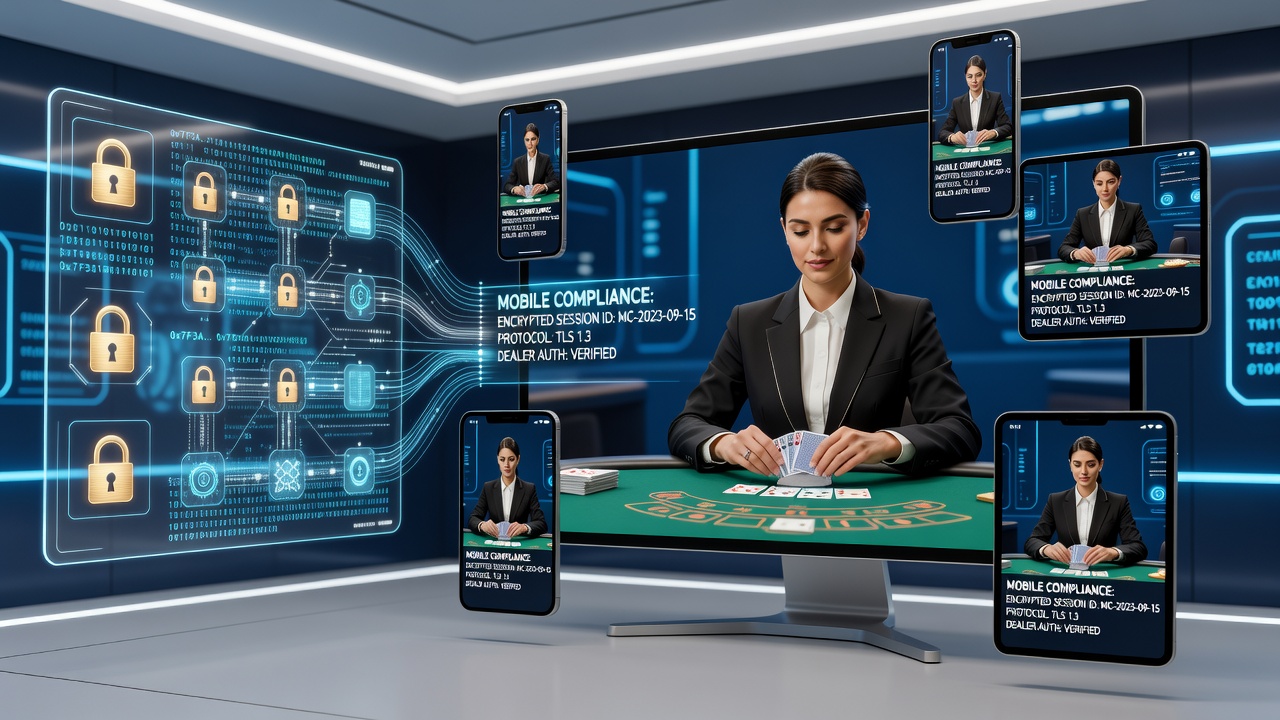
Securing Live Play: How Mobile Compliance Rules Shape Transaction Protocols and Dealer Formats
The landscape of online gaming continues to evolve as mobile compliance rules bring together advanced transaction security measures with the demands of live dealer environments, creating new standards that operators must meet across various jurisdictions, and this integration reflects ongoing efforts to balance real-time streaming requirements with payment verification processes that protect user data during sessions.
Regulatory Frameworks Across Regions
Data from the New Jersey Division of Gaming Enforcement shows that mobile platforms handling live dealer games must incorporate multi-factor authentication alongside encrypted streaming protocols, while similar guidelines in Australian states emphasize real-time monitoring of financial transactions to align with local licensing conditions that took effect earlier in the decade.
Researchers at the University of Nevada, Las Vegas have documented how compliance checklists now require live dealer feeds to operate within secure virtual private networks that also support instantaneous deposit confirmations, and this dual focus has led developers to refine both video compression techniques and payment gateway interfaces simultaneously.
Transaction Security Protocols in Focus
Security protocols such as end-to-end encryption and tokenization have become standard in mobile gaming applications, according to reports from the American Gaming Association, because regulators demand that every financial exchange during a live dealer session undergoes verification without interrupting the flow of gameplay, and operators have responded by embedding biometric checks directly into wallet functions on smartphones.
These measures extend to blockchain-based audit trails that record each chip transfer in real time, which helps satisfy cross-border compliance rules while maintaining the pace of card dealing and player decisions, and industry observers note that such systems reduce latency issues that previously arose when security layers were added separately from the dealer interface.
Live Dealer Formats Meeting Mobile Standards
Live dealer formats have adapted to mobile constraints by incorporating adaptive bitrate streaming that works alongside secure sockets layer certificates, ensuring that video feeds remain stable even as compliance software scans for irregular betting patterns or unauthorized access attempts, and this convergence allows players to switch between devices without losing session integrity or transaction records.
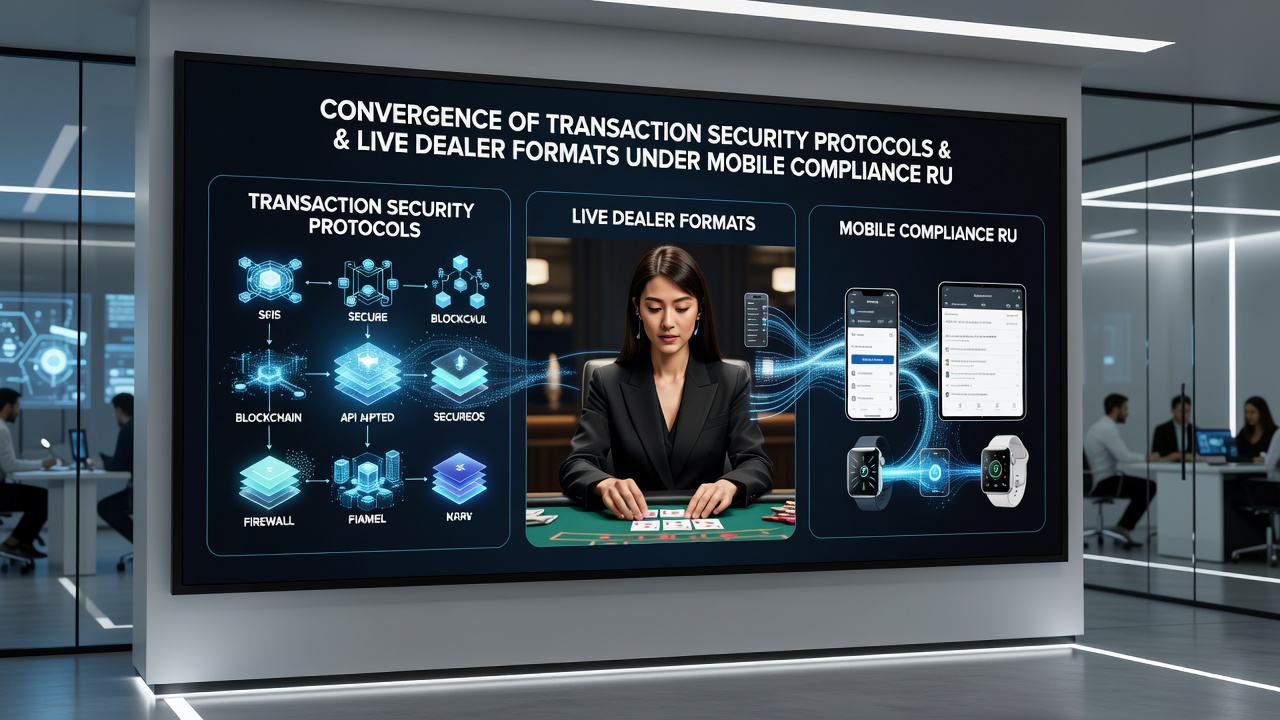
Studies conducted in Canadian provinces indicate that regulators now evaluate live dealer platforms on their ability to maintain encrypted connections during high-volume periods, such as peak evening hours in August 2026, when traffic spikes often test both the security infrastructure and the responsiveness of dealer interactions.
Challenges in Implementation
Operators face the task of merging these elements without compromising either security or the immersive quality of live games, and evidence from European Gaming and Betting Association analyses suggests that unified development frameworks are emerging to address bandwidth allocation between video streams and payment authorization calls, while hardware variations across mobile devices add further layers of testing requirements.
One example involves a platform that integrated PCI-compliant payment modules directly into its dealer software, allowing instant balance updates visible to both players and studio staff, which demonstrates how compliance rules have driven practical innovations rather than isolated add-ons.
Conclusion
The ongoing alignment of transaction security protocols with live dealer formats under mobile compliance rules continues to reshape operational practices across multiple markets, supported by data from regulatory bodies and academic sources that track implementation timelines and technical outcomes, and this process ensures that future developments maintain consistent standards for both financial protection and real-time engagement.