Reward Tiers Shape Session Durations at Virtual Table Games
Ben Schulz · Jul 28, 2026
Reward Tiers Shape Session Durations at Virtual Table Games
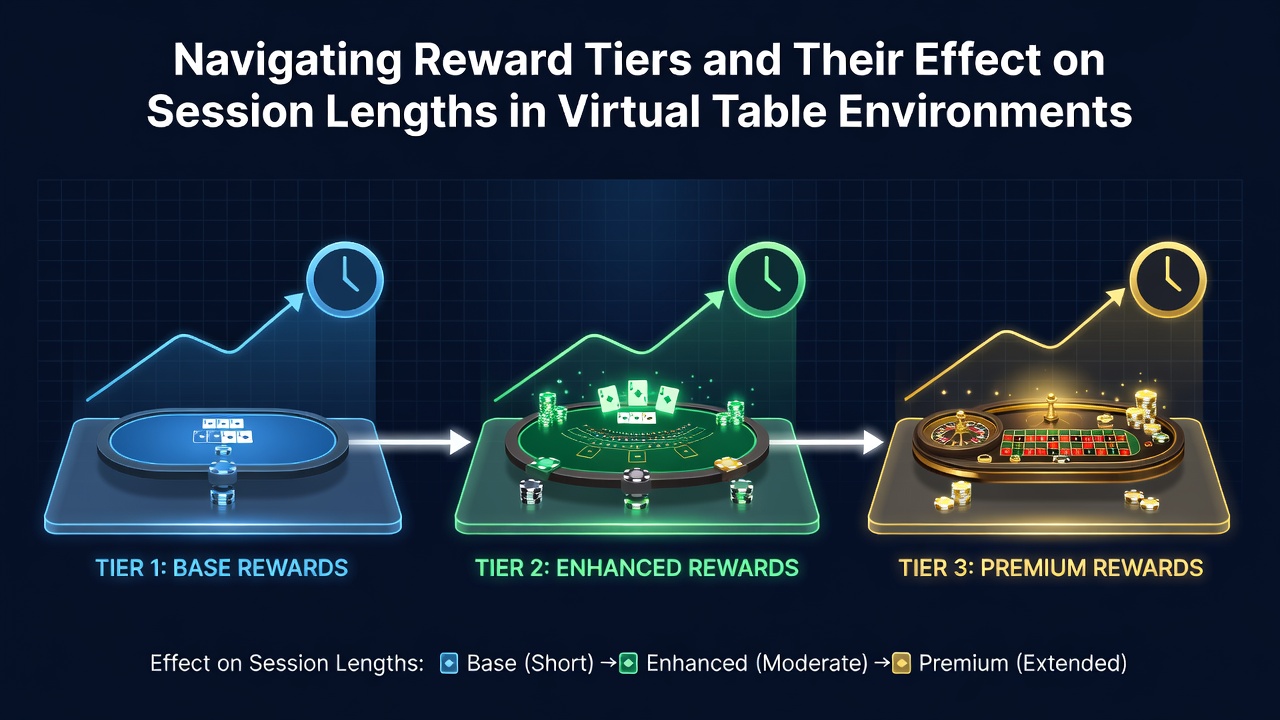
Virtual table environments such as online poker rooms and digital blackjack platforms operate loyalty systems that award points based on wagering volume and these points unlock tiered benefits including cashback percentages, exclusive tournament access, and accelerated point multipliers, and operators structure these programs to encourage longer continuous play periods.
Mechanics of Tier Progression in Digital Tables
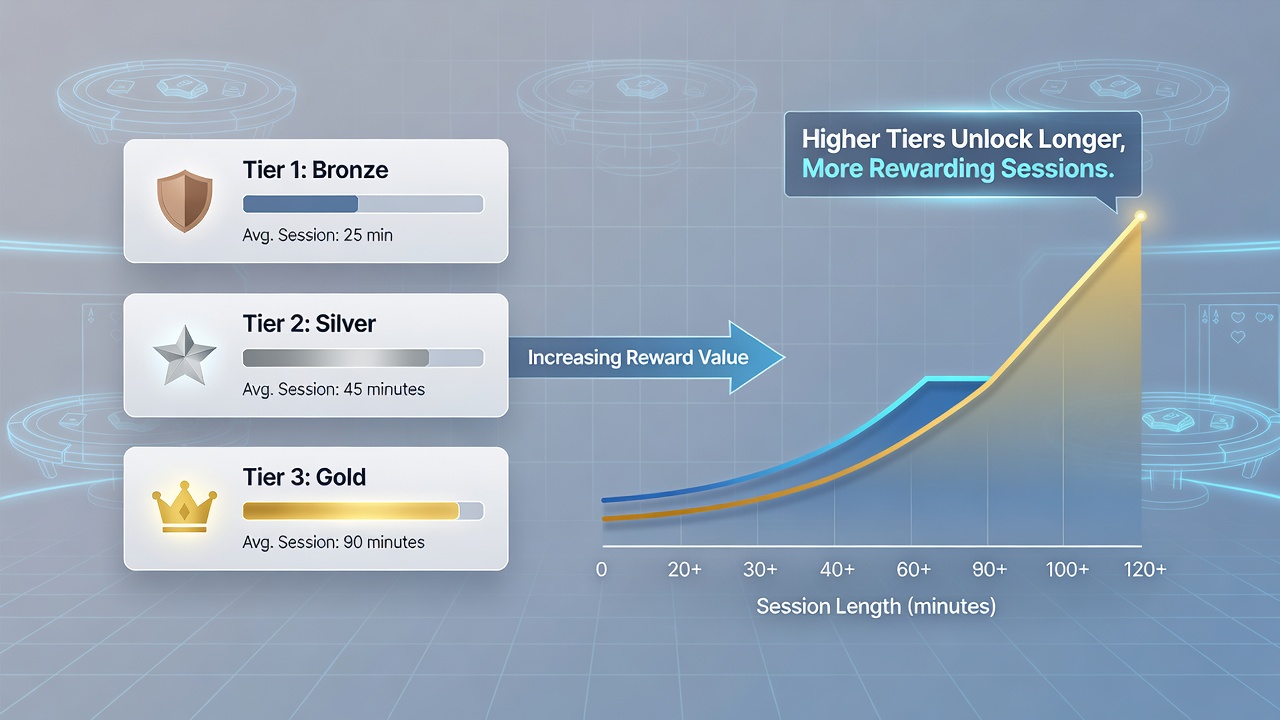
Players accumulate loyalty points through rake contributions at poker tables or through bets placed on virtual roulette and blackjack, while higher tiers unlock once cumulative activity reaches defined thresholds that reset on monthly or quarterly cycles, and data from platform analytics shows that users who cross into mid-level tiers maintain active sessions 35 percent longer than those at entry levels according to aggregated operator reports.
Tier benefits often include reduced rake caps at poker tables along with priority seating and personalized reload bonuses, yet these incentives tie directly to continued play volume rather than one-time deposits, which creates a feedback loop where participants extend sessions to protect or advance their status before the qualification window closes.
Observed Impacts on Play Length
Research from the University of Nevada Reno's International Gaming Institute indicates that players enrolled in multi-tier loyalty structures extend average session times by 22 minutes compared with non-participants in similar game formats, while the same study tracked session data across 18 months and found that top-tier members logged sessions averaging 2.4 hours versus 1.1 hours for base-level accounts.
Platform telemetry further reveals that point multipliers available only during peak hours prompt users to schedule extended blocks rather than short visits, and this pattern holds across both desktop and mobile interfaces where session timers show fewer early exits once a player reaches the second or third loyalty bracket.
Regional Data Patterns and July 2026 Developments
Figures released in July 2026 by the European Gaming and Betting Association highlighted that operators in regulated markets recorded a 17 percent rise in average table game session length coinciding with expanded tiered reward structures, whereas markets without such programs showed flat session metrics over the same period.
Analysts tracking these shifts noted that players who received tier-based invitations to private tables stayed connected 48 percent longer on average, and the association's quarterly review linked this extension to the visibility of upcoming reward thresholds displayed in real time on game interfaces.
Player Navigation Strategies Across Platforms
Those who monitor their progress toward the next tier often adjust bet sizing and game selection to maximize point accrual efficiency, and experienced participants frequently switch between multiple virtual tables to maintain momentum when one game slows, which sustains overall session duration even as individual table activity fluctuates.
Platform tools that display remaining points needed for advancement appear during active play and these prompts correlate with reduced logout rates in the final 30 minutes of typical sessions, according to behavioral logs shared by several major operators in North American and Asian markets.
Operator Design Choices and Retention Metrics
Design teams calibrate tier thresholds so that the effort required to maintain status aligns with typical user availability windows, and this calibration produces measurable retention lifts because players return more frequently to avoid losing accrued benefits at the close of each qualification period.
Cross-platform comparisons show that environments offering tier carryover across game types, such as from poker to virtual baccarat, achieve higher session continuity than those that segment rewards by single game category, and the difference appears in aggregated playtime statistics rather than in any single promotional campaign.
Conclusion
Reward tier systems in virtual table settings function through clear point thresholds and time-bound benefits that directly influence how long participants remain engaged during individual sessions, and available data from multiple regulatory regions and academic tracking efforts confirm consistent extensions in play duration as users advance through the levels, with the pattern holding across different device types and market jurisdictions as of mid-2026.