Regulatory Updates Reshaping Bonus Innovations in Online Casino Spaces
Lars Schulz · Jun 9, 2026

Regulatory Updates Reshaping Bonus Innovations in Online Casino Spaces
Virtual casino environments continue to evolve as operators adjust bonus designs to align with shifting regulatory requirements across multiple jurisdictions, and data from industry reports shows these changes often occur in coordinated waves rather than isolated events. Regulatory bodies in regions like North America and Europe have introduced measures emphasizing transparency in promotional offers, which in turn prompts developers to create structures such as tiered loyalty rewards and conditional cashback systems that meet disclosure standards while maintaining player interest.
Research from the American Gaming Association indicates that bonus mechanisms now incorporate clearer terms around wagering requirements and expiration periods, a direct response to guidelines aimed at reducing player confusion. This adaptation allows platforms to offer personalized promotions based on user activity data without crossing into practices that regulators flag as potentially misleading, and the result appears in features like dynamic free spin allocations that adjust according to verified account history.
Key Regulatory Drivers Influencing Bonus Structures
Updates effective around June 2026 in several Canadian provinces have required operators to implement real-time verification for bonus eligibility, which has led to the development of integrated systems that track deposits and gameplay simultaneously. These rules focus on preventing bonuses from encouraging excessive play, so companies respond by designing rewards that cap at certain thresholds and provide detailed breakdowns of how funds convert during cashout processes.
Industry observers note that similar patterns emerged earlier in Australian markets where state-level legislation mandated separate accounting for bonus funds versus player deposits, prompting innovations such as segmented wallet features that display promotional balances distinctly. Data shows these separations help operators comply while still delivering engaging elements like progressive multiplier bonuses that build over multiple sessions.
Creative Designs Responding to Compliance Needs
Operators now deploy hybrid bonus models that combine deposit matches with task-based achievements, such as completing specific game rounds to unlock additional layers, and this approach satisfies requirements for skill or activity components in promotions. European studies from the European Gaming and Betting Association highlight how such designs reduce the risk of bonuses being viewed as pure inducements, instead framing them as part of structured entertainment experiences with built-in safeguards.
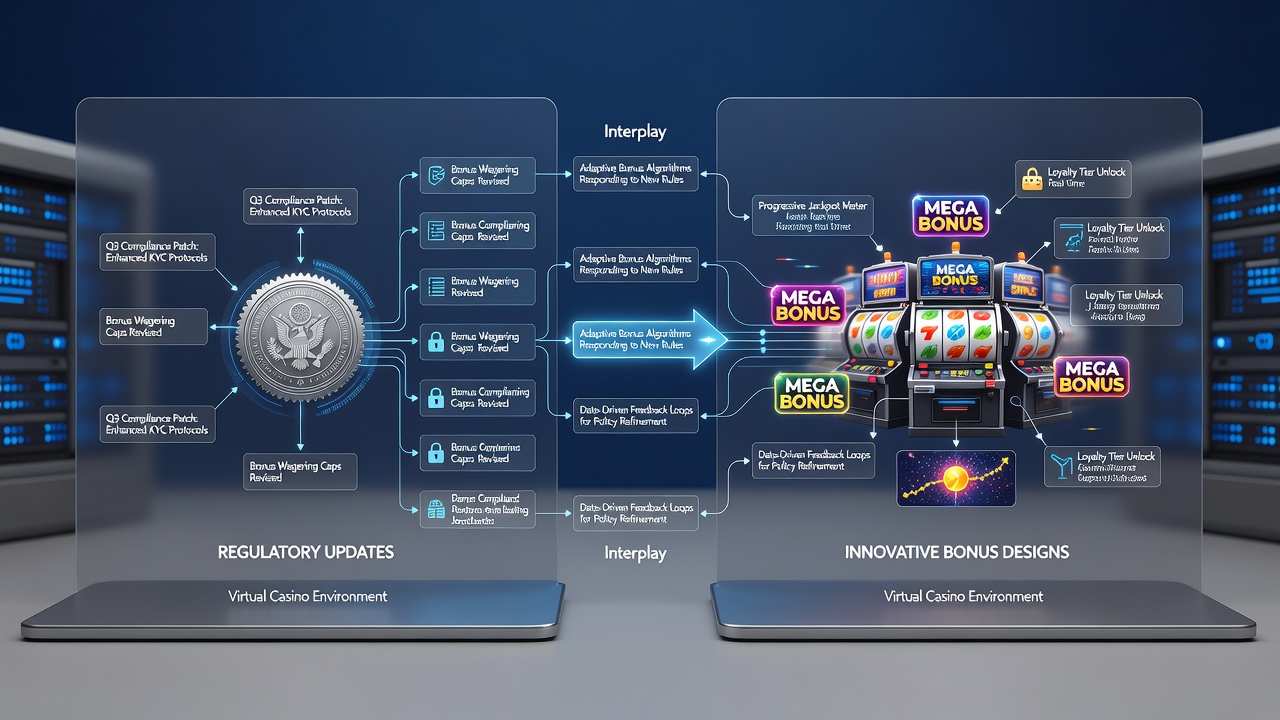
What's interesting here involves the integration of blockchain elements for verifiable bonus tracking, where transaction ledgers provide immutable records of how rewards are earned and spent. Platforms adopting this technology report smoother audits from regulators, as the data trails demonstrate adherence to rules on fair distribution and anti-money laundering checks without manual intervention at every step.
Regional Variations and Their Effects
North American frameworks tend to emphasize age verification tied directly to bonus claims, resulting in designs that use biometric or document upload steps before any promotional value activates. In contrast, some Asian regulatory environments prioritize spending caps that influence bonus scaling, leading to algorithms that automatically adjust offer sizes based on session limits and historical patterns.
Those who've analyzed cross-border operations find that virtual casinos often maintain region-specific bonus libraries to handle these differences efficiently, and this segmentation allows a single platform to serve diverse audiences while meeting local standards on responsible gaming disclosures and opt-out mechanisms.
Future Directions in the Interplay
Emerging trends point toward greater use of artificial intelligence for tailoring bonuses within regulatory boundaries, where predictive models suggest offers that align with individual risk profiles without violating fairness guidelines. Reports from academic sources like those published through university gaming research centers show early implementations achieving higher retention rates alongside compliance scores.
Collaboration between regulators and developers continues to produce standardized templates for bonus terms, which simplifies user understanding across platforms and reduces the administrative burden on smaller operators trying to compete in crowded markets.
Conclusion
The ongoing adjustments between regulatory updates and bonus innovations demonstrate a practical balance where compliance requirements drive technological and design advancements in virtual casino environments. Platforms that integrate these elements effectively maintain operational flexibility while addressing oversight priorities, and continued monitoring from bodies in multiple regions will likely shape further refinements in the years ahead.