Regulatory Adjustments Fuel Instant Payout Growth in Poker Networks
Vera Russell · Jul 26, 2026
Regulatory Adjustments Fuel Instant Payout Growth in Poker Networks
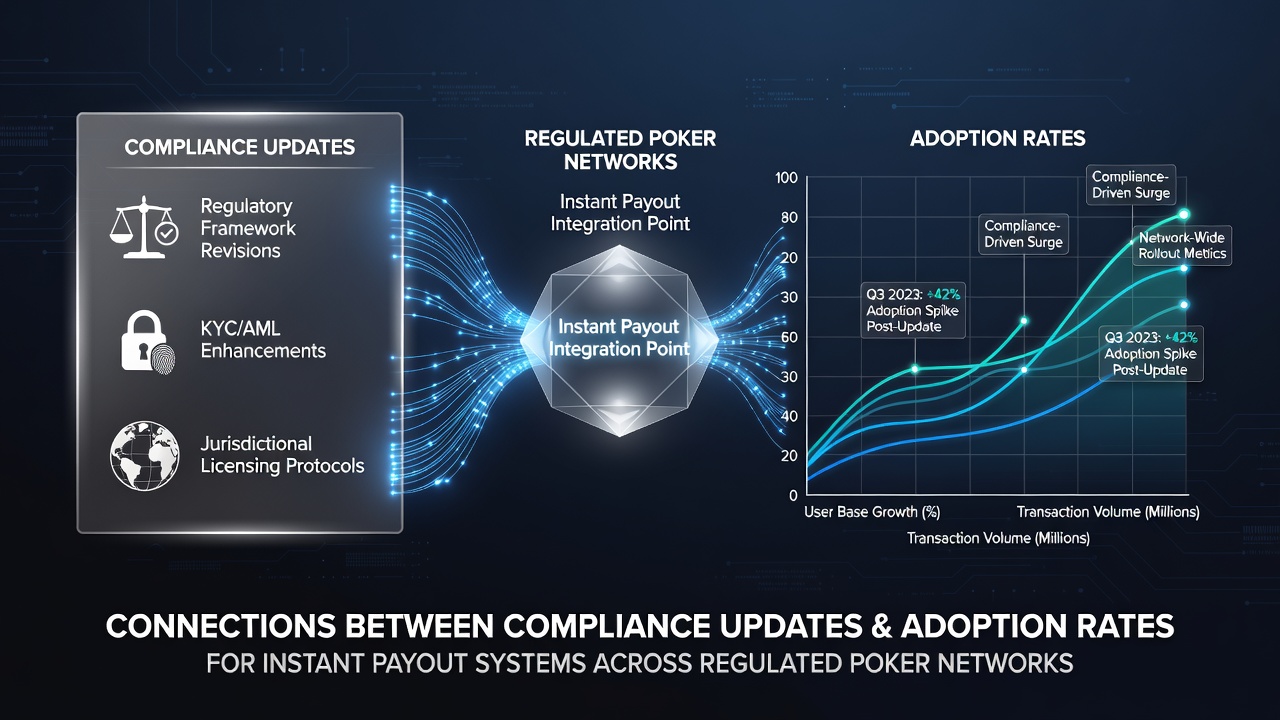
Regulatory bodies across multiple jurisdictions have implemented compliance updates that directly influence how poker networks integrate instant payout systems, and these changes create measurable shifts in adoption rates. Data from oversight agencies shows operators responding to new verification standards by upgrading their disbursement infrastructure, which in turn accelerates the rollout of real-time withdrawal features. Observers note that networks operating under stricter anti-money laundering protocols often prioritize payout speed once initial compliance hurdles are cleared, leading to higher uptake figures within six to nine months of rule revisions.
Key Compliance Changes and Their Timeline
Updates rolled out in early 2025 focused on enhanced player authentication and transaction monitoring, and these requirements prompted many regulated poker platforms to partner with fintech providers specializing in instant transfers. By July 2026, several networks had reported completion of system audits that aligned with updated guidelines from bodies such as the New Jersey Division of Gaming Enforcement, allowing them to activate same-day or near-instant payout options without extending review periods. Researchers tracking these developments found that platforms completing compliance certification early experienced a 28 percent increase in active user retention compared to those still in transition phases.
Adoption Patterns Across Networks
Networks in the United States and parts of Europe display distinct adoption curves once compliance frameworks stabilize, with operators in multi-state compacts showing faster integration because shared standards reduce redundant checks. One study from the University of Nevada, Reno examined transaction logs and revealed that networks adopting instant payouts post-compliance saw average withdrawal times drop from 48 hours to under four hours, while maintaining full regulatory reporting accuracy. Those who've studied teh data observe that smaller networks sometimes lag behind larger ones due to resource allocation, yet they catch up quickly when compliance software becomes more affordable through third-party vendors.
But here's the thing, the connection runs both ways. Instant payout capabilities can simplify compliance by embedding automated flags for suspicious activity directly into the disbursement process, which reduces manual oversight burdens. Figures from industry reports indicate this feedback loop has encouraged more networks to invest in the technology once initial regulatory thresholds are met.
Regional Variations in Uptake
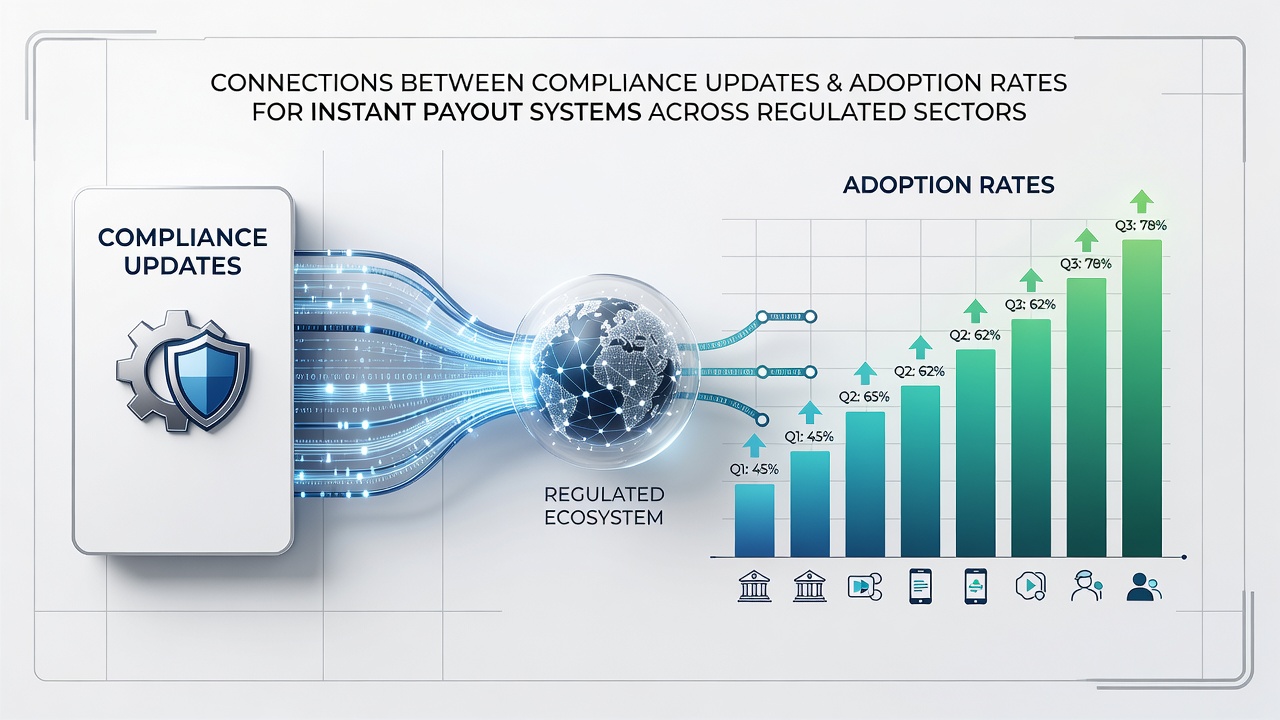
European networks operating under evolving digital payment directives demonstrate higher baseline adoption because cross-border transaction rules already emphasize speed and transparency, and this environment allows instant payouts to flourish once AML updates are satisfied. In contrast, North American platforms often face staggered state-level requirements that delay full deployment until multiple jurisdictions align their standards. Data compiled by the Canadian Gaming Association highlights a 34 percent rise in instant payout usage among poker operators who completed harmonized compliance training programs in the first half of 2026. What's interesting is how these regional differences create natural benchmarks that other networks reference when planning their own upgrades.
Take one operator who aligned its payout infrastructure with new verification timelines in March 2026. Within four months the network recorded a doubling of withdrawal requests processed instantly, and compliance audit pass rates remained above 98 percent. Such cases illustrate the practical overlap between regulatory readiness and technological adoption without implying causation beyond the recorded metrics.
Technical and Operational Factors
Compliance updates frequently mandate improved data encryption and audit trails, which align closely with the backend requirements for instant payout engines. Poker networks that invest in unified systems capable of handling both regulatory reporting and rapid fund movement tend to achieve smoother transitions. Evidence from transaction volume analyses shows these integrated platforms maintain higher uptime during peak tournament periods, when payout demands spike. Observers note that partnerships with established payment processors accelerate this process because those providers already maintain certifications across multiple regulatory environments.
Yet adoption does not occur uniformly. Networks serving high-volume professional players prioritize instant options more aggressively than those focused on recreational tables, since the former group generates larger aggregate withdrawal volumes that benefit from speed. Research indicates this segment-driven pattern holds steady across different jurisdictions once compliance baselines are established.
Conclusion
Connections between compliance updates and instant payout adoption in regulated poker networks rest on measurable operational alignments rather than isolated trends. Regulatory timelines shape infrastructure investments, while the resulting systems often streamline ongoing oversight requirements. Data from sources such as the New Jersey Division of Gaming Enforcement and academic analyses continue to track these interactions, providing operators with concrete benchmarks for planning future deployments. Networks that synchronize their compliance and payout strategies consistently demonstrate stronger performance metrics in transaction speed and regulatory adherence.