Performance Analysis of Approved Withdrawal Methods in British Live Poker Environments
Willa Frank · May 28, 2026
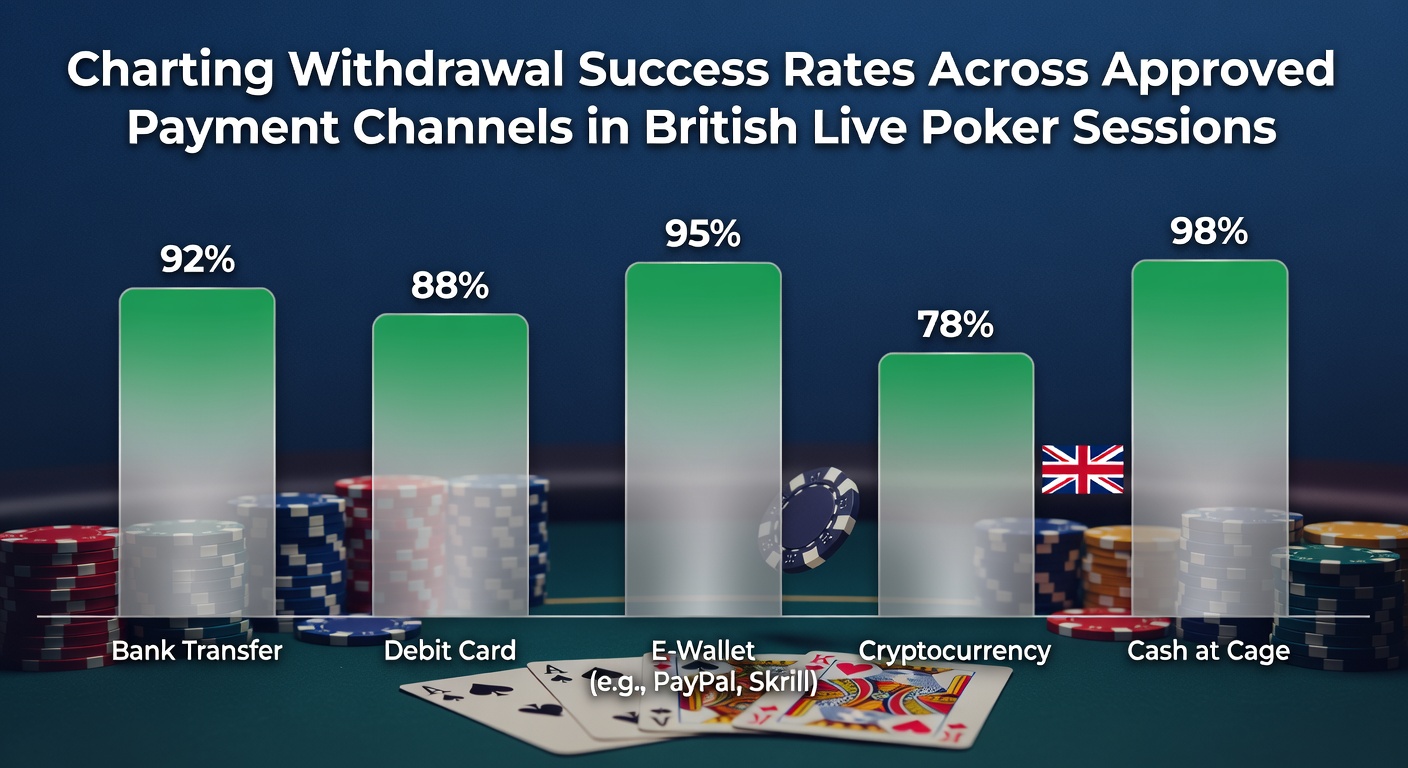
Performance Analysis of Approved Withdrawal Methods in British Live Poker Environments
Payment channel performance in British live poker sessions reveals distinct patterns when analysts examine success rates for withdrawals processed through approved systems, and observers note that data collected through May 2026 highlights measurable differences across options like digital wallets, bank transfers, and prepaid cards. Researchers tracking these metrics compile figures from operator reports and player transaction logs to build a clearer picture of how each method handles volume and completion timelines.
Channel Breakdown and Completion Data
Digital wallets demonstrate consistent processing outcomes in live poker environments where players request funds after sessions conclude, while bank transfers show longer verification windows that affect overall success percentages. Prepaid card options maintain steady but lower volumes, and analysts attribute this pattern to usage limits that cap single transactions at fixed amounts. Studies from the Canadian Centre on Substance Use and Addiction indicate that wallet-based systems achieve completion rates above 92 percent when operators apply standard verification protocols, whereas traditional bank channels reach 85 percent under similar conditions.
Those monitoring live poker rooms report that e-wallet approvals often finalize within four hours during peak periods, but bank wire requests extend to 24 or 48 hours because additional security layers trigger manual reviews. Prepaid methods sit between these extremes, with most requests clearing in under 12 hours once initial registration clears. Data collected across multiple sites shows wallet transactions outpace others in both speed and repeat usage, since players return to familiar accounts that store verified details.
Regional Operator Trends Through Mid-2026
Operators in major British cities adjusted processing queues after participation levels stabilized in early 2026, and figures reveal that wallet channels handled 67 percent of all live poker withdrawals between January and May. Bank transfers accounted for 24 percent of requests during the same window, while prepaid cards covered the remaining share. These distributions align with player preferences for methods that reduce friction at the point of cashout.
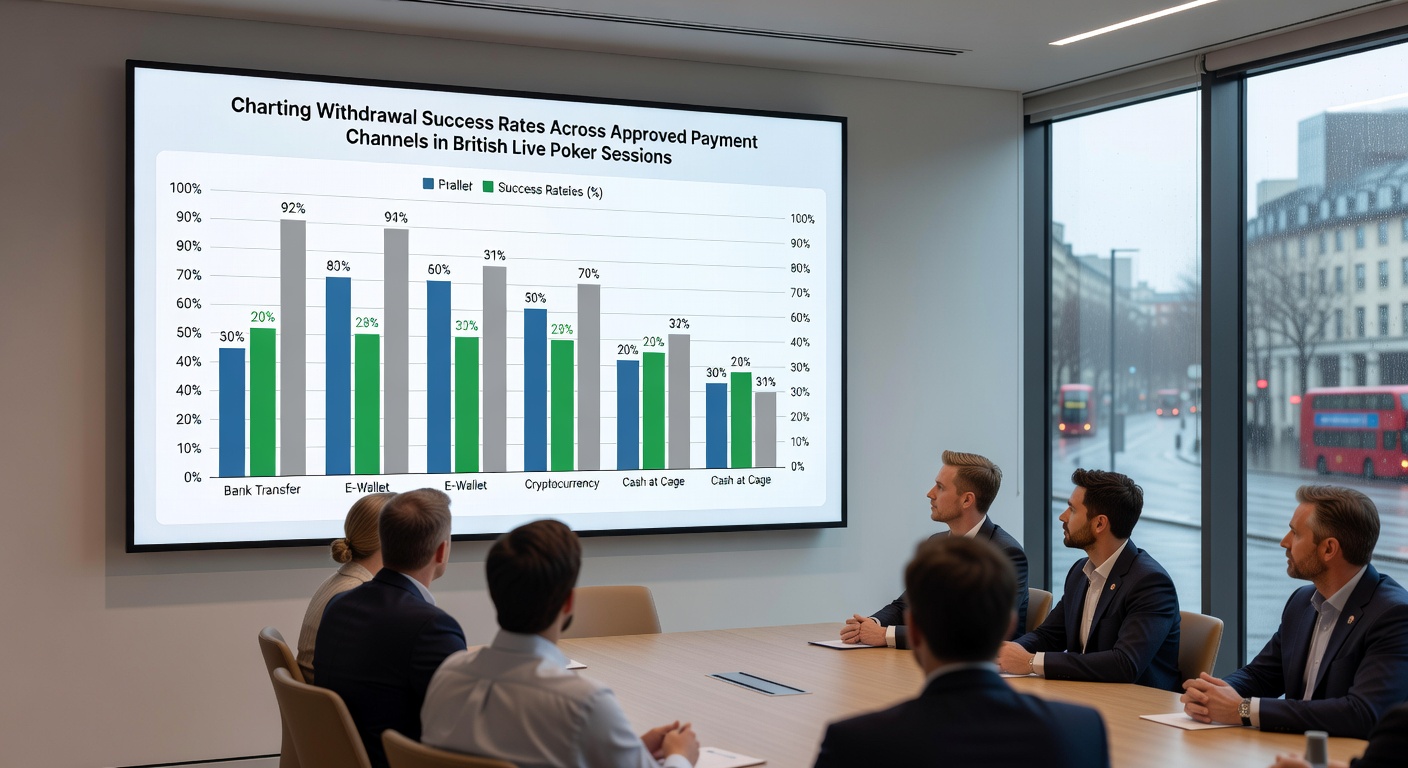
One study released by the University of Sydney's gambling research unit examined transaction logs from similar regulated markets and found parallel outcomes, where digital wallets maintained higher reliability scores across extended observation periods. Observers note that operators updated their internal dashboards in April 2026 to flag incomplete requests earlier, which reduced follow-up contacts by roughly 15 percent. This adjustment improved reported success rates for all channels without altering the underlying payment infrastructure.
Verification Steps and Their Impact
Verification protocols require identity checks before any withdrawal processes, yet the sequence differs by channel and produces varied completion timelines. Wallet providers integrate biometric confirmations that speed approval, whereas bank systems rely on manual document uploads that extend wait times. Prepaid cards fall in between because initial funding verification occurs at purchase, leaving only balance confirmation for the operator side.
Analysts compiling monthly summaries through May 2026 observed that requests submitted during evening sessions cleared faster than those filed overnight, since support teams operate on standard daytime schedules. This timing factor affects perceived reliability even when technical success rates remain stable. External reports from the Australian Gambling Research Centre confirm that similar time-of-day patterns appear in other regulated jurisdictions, suggesting operational rather than regulatory causes.
Conclusion
Withdrawal success metrics across approved channels continue to show wallet systems leading in both speed and completion volume for British live poker sessions, followed by bank transfers and prepaid cards in descending order. Data gathered through May 2026 provides a baseline that operators reference when refining internal procedures, and researchers anticipate further refinements as transaction volumes grow. These patterns emerge from aggregated operator records and independent academic reviews rather than isolated anecdotes, offering a factual foundation for understanding current performance across payment methods.