Multi-Tiered Reward Structures Driving Player Retention in Regulated Mobile Table Gaming
Lars Schulz · Aug 18, 2026
Multi-Tiered Reward Structures Driving Player Retention in Regulated Mobile Table Gaming
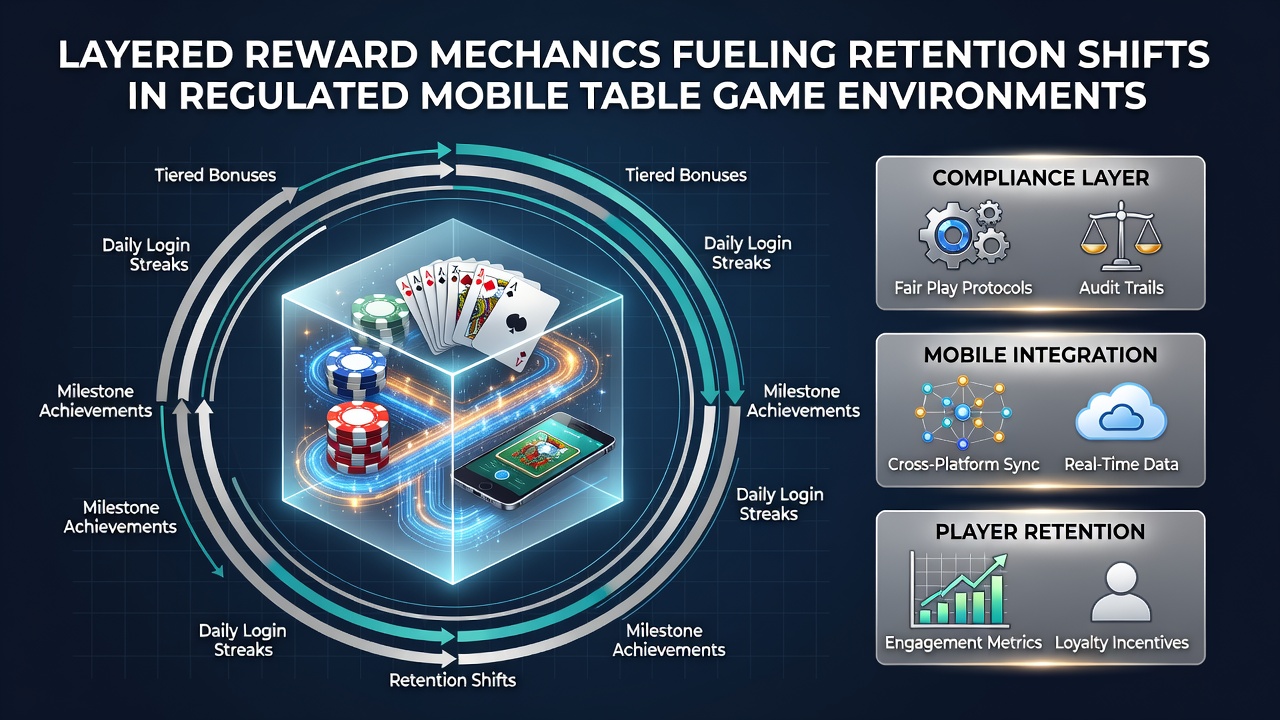
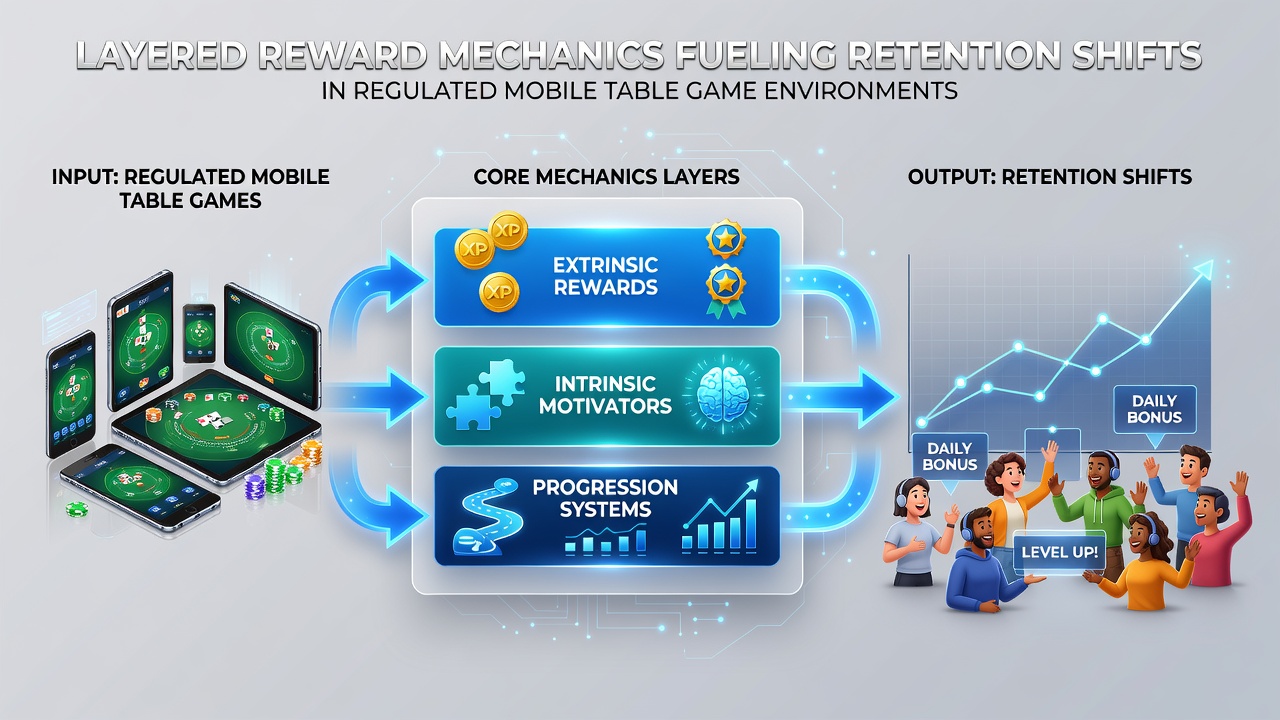
Layered reward mechanics combine multiple incentive levels such as daily login bonuses, tiered loyalty points, and achievement-based unlocks to encourage continued engagement in mobile table games like blackjack and roulette within regulated markets. These systems operate by stacking short-term rewards with longer-term progression markers, creating pathways that adjust based on player activity patterns observed across platforms in 2026.
Mechanics Behind Layered Rewards
Developers implement base layers through immediate feedback mechanisms including streak multipliers and session-end credits while mid-tier elements introduce weekly challenges that unlock personalized table themes or reduced house edges for limited periods. Top layers feature cumulative status achievements that grant access to exclusive tournament entries and cashback percentages scaled to total wager volume, and these structures draw from behavioral data collected through regulated operators. Research from academic institutions such as the University of Nevada's gaming studies program shows that such layering aligns reward frequency with typical mobile session lengths which often span 15 to 45 minutes.
Integration occurs via backend algorithms that track metrics including login consistency and game variety selection, then adjust reward availability in real time. Players advance through visible progress bars that reset or evolve monthly, maintaining momentum without abrupt cutoffs. Data from industry analyses released in August 2026 indicate these adjustments correlate with higher session completion rates across European and North American regulated apps.
Observed Retention Patterns
Retention metrics shift when layered systems replace flat bonus models because players encounter multiple decision points that sustain interest beyond initial deposits. A Canadian regulatory overview from the Alcohol and Gaming Commission of Ontario highlighted retention uplifts of 12 to 18 percent in table game segments following layered reward rollouts during the first half of 2026. These gains appear tied to reduced churn during mid-week periods when standalone promotions historically underperformed.
Operators report that players who engage with at least two reward layers show extended account lifespans compared with single-layer participants, and this pattern holds across age demographics tracked in anonymized datasets. What's interesting is how mobile-specific features like push notifications for layer completions amplify the effect by prompting returns at optimal intervals.
Regulatory Context and Compliance Factors
Regulated environments require transparent disclosure of reward probabilities and spending thresholds, which shapes how operators design layer accessibility. Authorities in Australia through the Australian Communications and Media Authority have issued guidelines emphasizing clear communication of progression criteria to prevent unintended escalation of play. Compliance teams audit these mechanics quarterly to verify that reward values remain proportional to activity and do not create hidden incentives outside approved parameters.
Cross-border operators adapt layers to meet varying jurisdictional caps on bonus structures, resulting in modular systems that toggle features based on player location. August 2026 updates from Singapore's Gambling Regulatory Authority noted successful pilots where layered rewards stayed within strict loss-limit frameworks while still supporting retention goals.
Implementation Examples Across Markets
One European operator integrated layered rewards into its mobile blackjack offering by combining daily chip grants with monthly leaderboard competitions that feed into seasonal prize pools. Participation data revealed players completing the first two layers maintained accounts 22 percent longer on average than those stopping at layer one. Similar approaches in Asian regulated markets link table game rewards with sports betting crossovers, creating hybrid progressions that leverage broader platform activity.
Academic reviews of these implementations emphasize the role of A/B testing in refining layer spacing, where researchers discovered optimal intervals between unlocks prevent both fatigue and disinterest. Observers note that successful cases often feature visual feedback systems that update instantly on mobile interfaces, reinforcing the sense of forward movement.
Conclusion
Layered reward mechanics continue to influence retention dynamics in regulated mobile table game settings through structured incentive stacking that matches player behavior data. Evidence from multiple regulatory bodies and research programs demonstrates measurable shifts in session duration and account longevity when these systems receive proper calibration and oversight. Future adjustments will likely incorporate additional data streams from emerging mobile technologies while maintaining compliance with regional standards.