Loyalty Tiers Shape Long-Term Player Habits in Multi-Game Digital Platforms
Tina Flores · Jun 7, 2026
Loyalty Tiers Shape Long-Term Player Habits in Multi-Game Digital Platforms
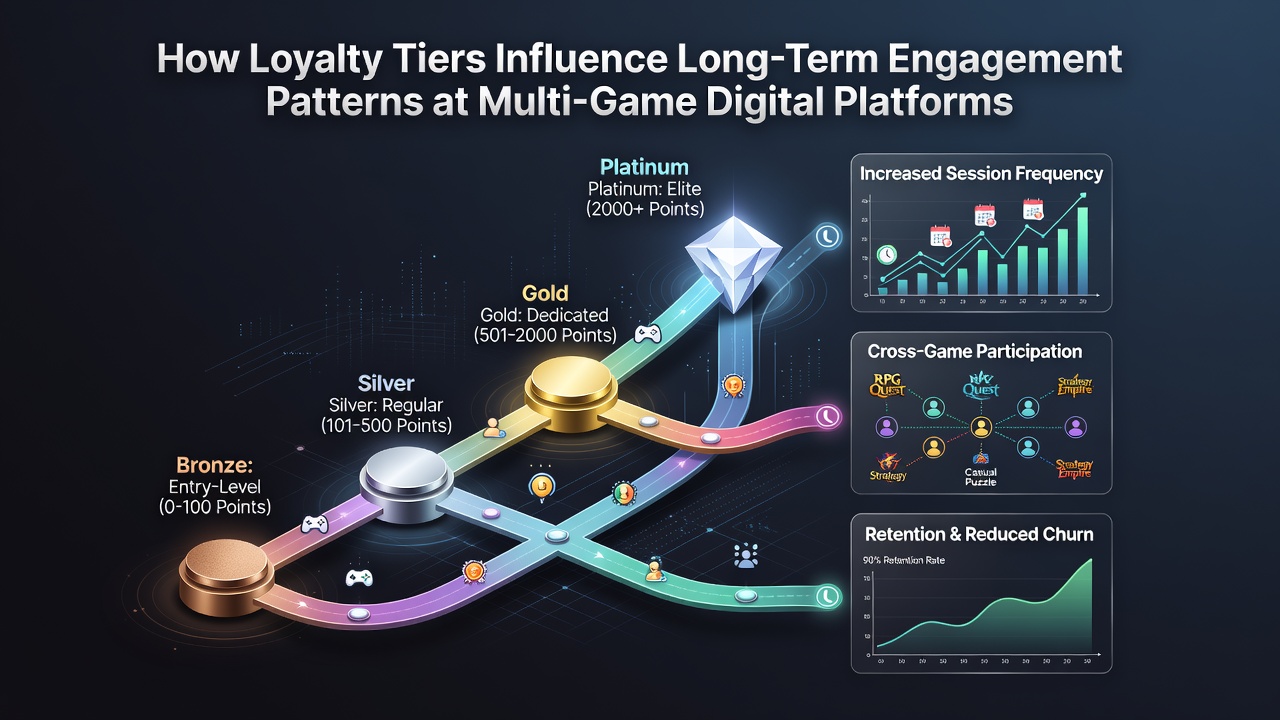
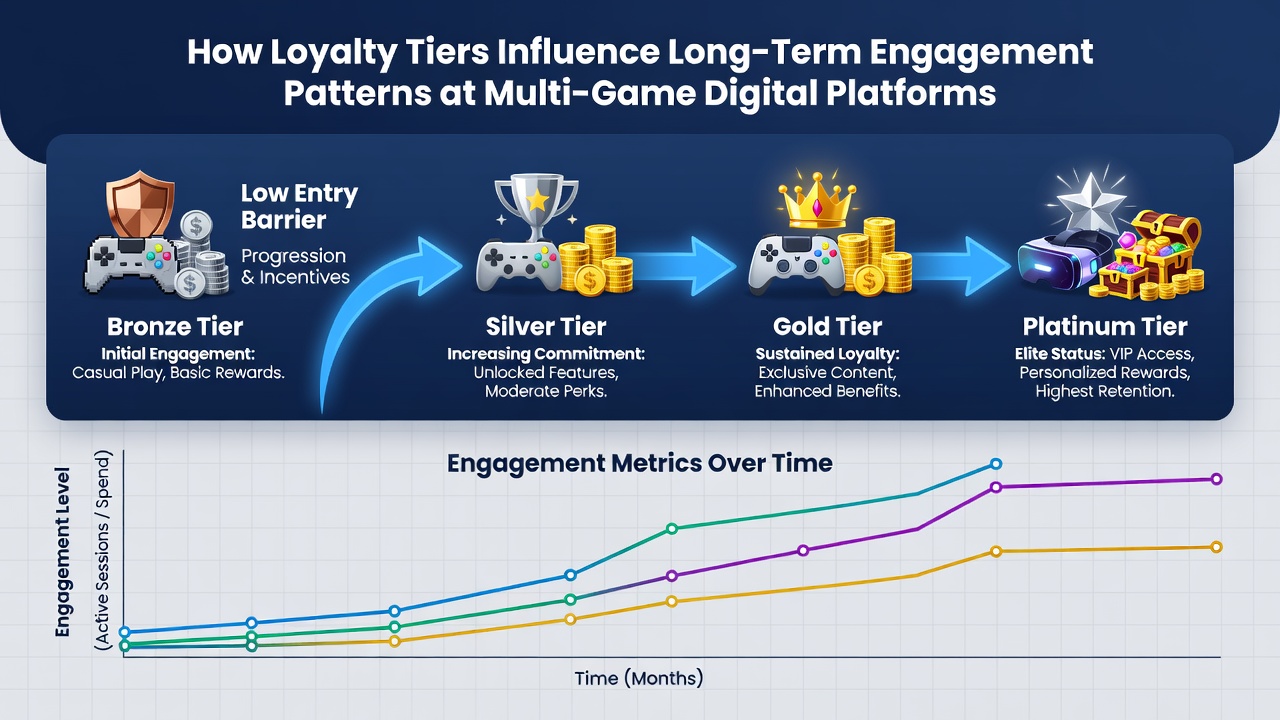
Multi-game digital platforms rely on structured loyalty tiers to guide how users interact with slots, table games, sportsbooks, and live dealer options over extended periods, and these systems create measurable shifts in participation frequency along with session duration. Tiers typically progress from entry-level access through intermediate stages to premium status, each unlocking escalating rewards such as bonus credits, free spins, cashback percentages, and personalized event invitations that encourage repeated logins across different game categories.
Core Mechanics Behind Tier Progression
Platforms calculate tier advancement through accumulated points earned from wagers, deposits, and sometimes social interactions, while algorithms adjust thresholds based on overall user activity to maintain balanced progression rates. A player who starts at the base tier might receive standard reload bonuses, yet advancing to mid-level status opens access to higher cashback rates that apply across multiple game types, which in turn supports longer engagement sessions as users explore new titles to maximize returns. Research from the University of Nevada, Las Vegas indicates that tiered systems correlate with a 25 percent increase in monthly active days when rewards scale progressively rather than remaining flat.
Patterns in Cross-Game Exploration
Observers note that users who reach higher tiers often expand their play beyond initial preferences, moving from familiar slot machines into poker tournaments or live casino environments because exclusive tier benefits apply universally. This diversification appears in aggregated platform data where mid-tier accounts show elevated interaction rates with at least three distinct game verticals per week compared to base-tier accounts that cluster around one or two options. The structure reduces churn because lost progress on one game type can be offset by activity in another, keeping overall engagement metrics stable even during temporary dips in specific categories.
Data Trends Observed in Mid-2026
Figures compiled through June 2026 across several international operators reveal that premium tier members maintain average session lengths 40 percent longer than those at entry levels, with teh gap widening during promotional periods tied to tier milestones. Points systems that reset monthly yet carry forward select benefits create recurring incentives, prompting users to balance their activity calendars around multiple game releases rather than sporadic visits. Canadian regulatory reports from iGaming Ontario highlight similar retention curves where tier advancement coincides with a measurable uptick in cross-platform logins, particularly when rewards include tournament entries that span sports betting and casino sections simultaneously.
Influence on Frequency and Retention Cycles
Long-term data sets demonstrate that once users cross into higher tiers the probability of sustained weekly activity rises sharply because accumulated benefits create a compounding effect on perceived value. Platforms track these cycles through metrics such as return visits within seven days and total handle per tier bracket, revealing that silver and gold level accounts contribute disproportionately to overall volume despite representing smaller user percentages. And while base-tier churn remains higher, the transition points between levels serve as natural retention anchors where targeted communications highlight upcoming milestones to prevent drop-off.
Comparative Insights from Industry Reports
A 2025 analysis published by the National Center for Responsible Gaming examined multi-game environments and found tier structures that emphasize consistent point earning across all verticals produce steadier engagement curves than those limited to single-game categories. Users in these balanced systems exhibit lower variance in monthly play volume, which supports predictable revenue patterns for operators while distributing activity more evenly. External factors such as seasonal game launches further amplify tier effects when new titles carry bonus multipliers available only to qualifying members, prompting temporary spikes in exploration that often convert into permanent habit shifts.
Conclusion
Tiered loyalty frameworks on multi-game digital platforms establish clear pathways that tie reward access to sustained, diversified participation, and available data through mid-2026 confirms their role in extending both frequency and breadth of user activity. As platforms refine point algorithms and benefit structures, the resulting engagement patterns continue to reflect the direct connection between tier status and long-term behavioral consistency across game types.