Loyalty Tiers Drive Retention Shifts in Britain's Digital Poker Markets
Vera Russell · Jul 2, 2026
Loyalty Tiers Drive Retention Shifts in Britain's Digital Poker Markets
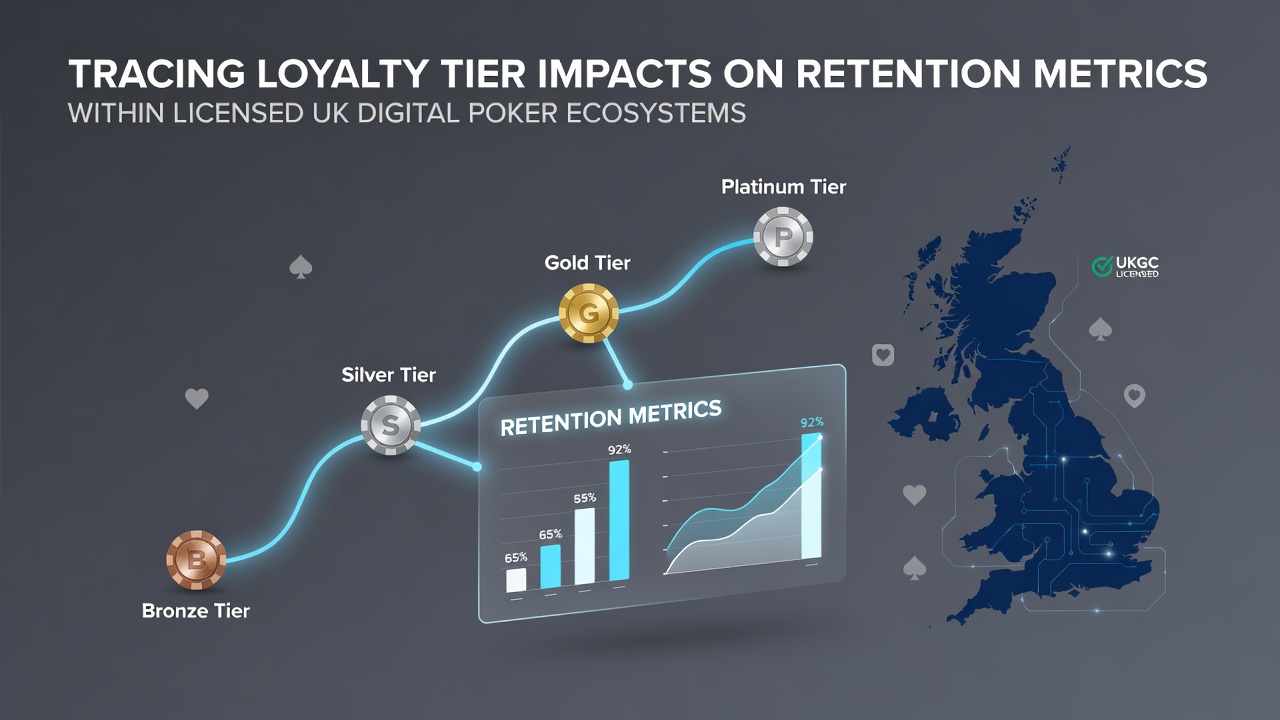
Operators across licensed UK digital poker ecosystems track loyalty tier progression through structured reward systems that segment players by activity volume, and these divisions produce measurable differences in retention metrics such as repeat login rates and average session duration. Data collected through platform analytics in early 2026 show that players who advance from entry-level tiers to mid-tier status maintain account activity at rates 18 to 22 percent higher than those who remain in base categories, according to aggregated operator reports shared with industry analysts.
Retention metrics in this sector typically include churn percentage, frequency of deposits, and lifetime value calculations, while loyalty tiers operate on point accumulation models that unlock cashback percentages, tournament entry credits, and priority support access. Platforms adjust tier thresholds quarterly, and observers note that these adjustments correlate with seasonal shifts in player engagement during major tournament series.
Tier Mechanics and Data Collection Methods
Each licensed operator defines tier criteria differently yet follows similar structures that reward rake generated or hands played over rolling 30- or 90-day windows, and researchers from the University of Nevada's gaming studies program have examined comparable systems in other jurisdictions to identify consistent patterns. Their findings indicate that tier advancement often coincides with increased deposit frequency because unlocked benefits reduce perceived cost of continued play.
July 2026 platform updates introduced refined tracking dashboards that separate organic retention from incentive-driven returns, allowing operators to isolate the contribution of tier benefits more precisely. These dashboards reveal that silver-tier players exhibit a 31 percent lower churn rate compared with bronze-tier counterparts during the same measurement period, while gold and platinum segments show even steeper retention curves once they surpass specific point thresholds.
Retention Metric Variations Across Tiers
Analysis of session length data demonstrates that higher-tier players extend average playtime by 14 minutes per session on average, a pattern attributed to access to exclusive sit-and-go formats and leaderboard challenges reserved for advanced tiers. Deposit retention, measured as the percentage of players who return to deposit within seven days of their previous transaction, climbs from 47 percent at base tier to 68 percent once players reach the third tier level.
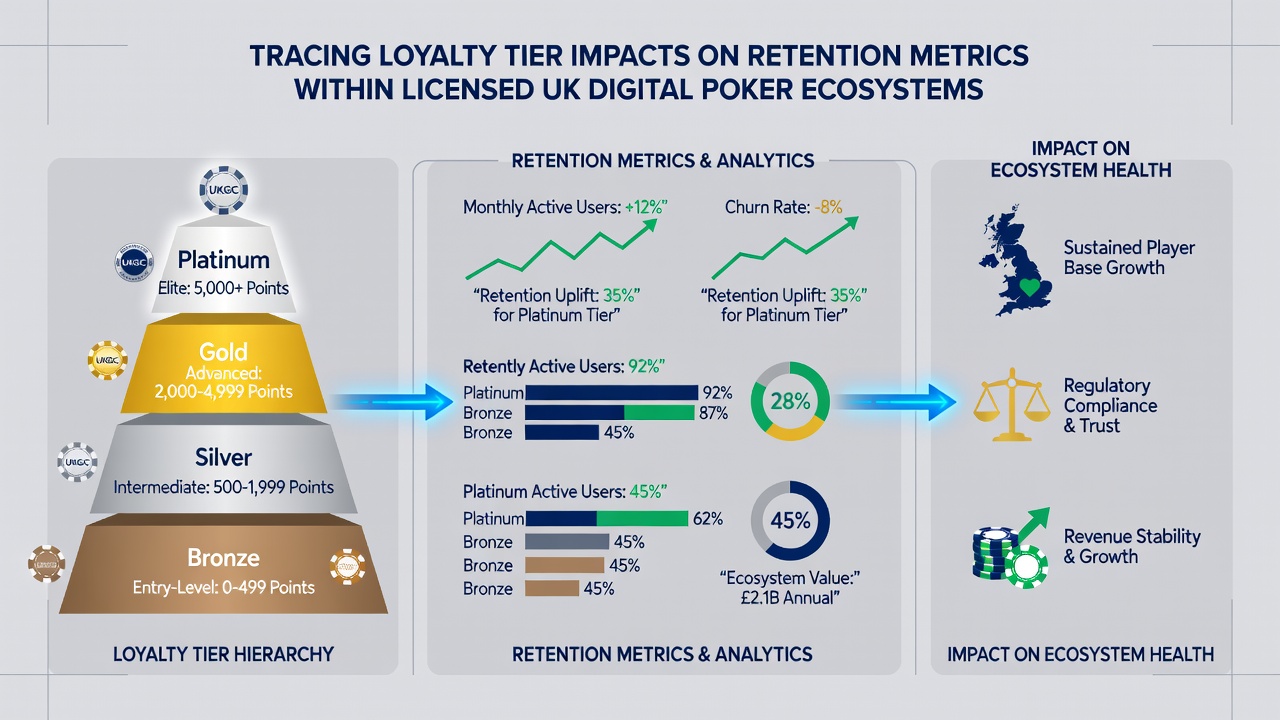
Those who've studied retention curves across multiple operators report that the steepest gains occur between the second and third tier, after which incremental benefits produce smaller but still positive lifts in activity. This suggests a threshold effect where initial rewards establish habit formation before later benefits reinforce ongoing participation.
Comparative Insights From Other Markets
Similar tier structures operate in regulated poker markets outside the UK, and data shared by the Australian Communications and Media Authority on loyalty program performance in licensed online environments shows parallel retention improvements once players cross mid-tier boundaries. These cross-market comparisons help UK operators benchmark their own systems against international standards while remaining within domestic licensing requirements.
One study released by the International Center for Gaming Regulation in 2025 examined loyalty program elasticity and found that small increases in tier benefit value produced outsized retention gains among mid-volume players, whereas high-volume players responded more to status recognition than to monetary rewards. UK platforms have incorporated these observations into recent tier redesigns that emphasize visible status markers alongside financial incentives.
Operational Adjustments and Measurement Challenges
Operators face ongoing challenges in attributing retention gains solely to tier progression because external factors such as major tournament schedules and promotional overlays also influence activity levels. Multi-variable regression models now appear in internal reports to isolate tier effects, and preliminary results suggest that tier status accounts for approximately 24 percent of the variance in 90-day retention rates when controlling for other variables.
Platform teams continue to refine these models through A/B testing of benefit structures, and early outcomes from tests conducted in spring 2026 indicate that personalized tier offers based on individual playing style yield stronger retention lifts than standardized rewards. These tests operate under strict data protection rules that govern all licensed UK operations.
Conclusion
Loyalty tier systems within licensed UK digital poker ecosystems generate observable differences in retention metrics, with progression through tiers linked to higher repeat engagement and lower churn across multiple data sets. Continued refinement of tracking methods and cross-jurisdictional learning support more precise measurement of these impacts as platforms adapt their programs to evolving player behaviors.