Loyalty Mechanics Extend Play Sessions in Multi-Device Table Game Settings
Vera Russell · Sep 1, 2026
Loyalty Mechanics Extend Play Sessions in Multi-Device Table Game Settings
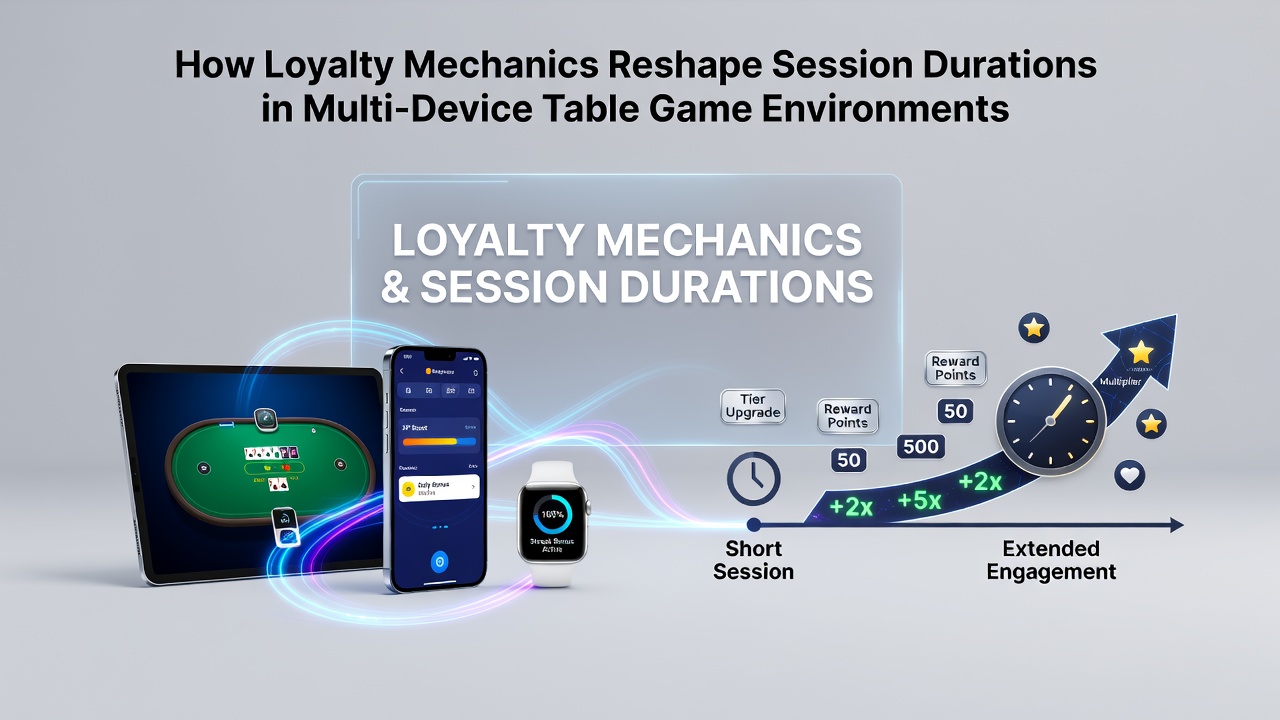
Table game operators have integrated loyalty mechanics that track activity across phones, tablets, and computers, and these systems alter how long individual sessions last. Points accumulate from bets placed on blackjack, roulette, and poker variants, while tiered rewards unlock based on cumulative play rather than single-device time. Operators record session lengths rising when players switch devices without losing progress toward bonuses or cashback thresholds.
Mechanics Behind Cross-Device Tracking
Systems assign unique player identifiers that sync in real time, so a user who starts a poker hand on a mobile app and finishes it on a desktop computer receives continuous credit. Reward structures often include multipliers for consecutive days of play or bonuses tied to total hands dealt across platforms. Data from the Nevada Gaming Control Board shows operators reporting average session extensions of 12 to 18 minutes when loyalty dashboards display live progress on every connected device.
Multipliers activate more frequently when play spans several devices because the software registers each transition as continued engagement. Players receive notifications about nearing reward milestones regardless of which screen they use, which reduces breaks between rounds. Research from the Australian Gambling Research Centre links these notifications to measurable increases in total hands played per login period.
Session Duration Patterns in Table Games
Blackjack sessions stretch when loyalty points convert directly into bet credits that remain available on any device. Roulette players who receive free spins after hitting volume targets tend to extend sessions by switching from tablet to phone during commutes. Poker tables show the clearest effect because rake races and loyalty leaderboards update across all interfaces simultaneously, keeping participants logged in longer to maintain position.

Operators note that sessions begun on desktop computers and continued on mobile apps last longer than those confined to one device. The pattern holds because loyalty tiers reset only after periods of inactivity measured across the entire account rather than per platform. In September 2026, platform analytics indicated that accounts active on three or more devices posted median session times 27 percent higher than single-device accounts in table game categories.
Device Switching and Reward Continuity
Seamless transitions rely on cloud-based account states that preserve chip counts, hand histories, and point balances. When a player moves from a home computer to a tablet during a live dealer session, the loyalty engine continues counting toward weekly or monthly targets without interruption. Industry reports from the Ontario Lottery and Gaming Corporation document fewer early exits once players understand that progress carries forward automatically.
Table game environments benefit particularly because rounds finish quickly and players often seek the next table immediately. Loyalty mechanics that award incremental status for each completed round encourage continued switching rather than logging off. Observers note that push alerts about limited-time multipliers coincide with device changes, further anchoring users within the ecosystem for additional rounds.
Conclusion
Multi-device loyalty systems create continuous tracking that directly lengthens table game sessions by removing friction between platforms and aligning rewards with cumulative activity. Data collected through 2026 confirms that operators deploying synchronized point systems record sustained increases in both session duration and total hands played across blackjack, roulette, and poker offerings. The pattern emerges consistently when progress remains visible and accessible on every connected screen.