Emerging Payment Solutions Reshaping How Players Fund Accounts in Regulated Digital Entertainment Platforms
Tina Flores · Jun 16, 2026
Emerging Payment Solutions Reshaping How Players Fund Accounts in Regulated Digital Entertainment Platforms
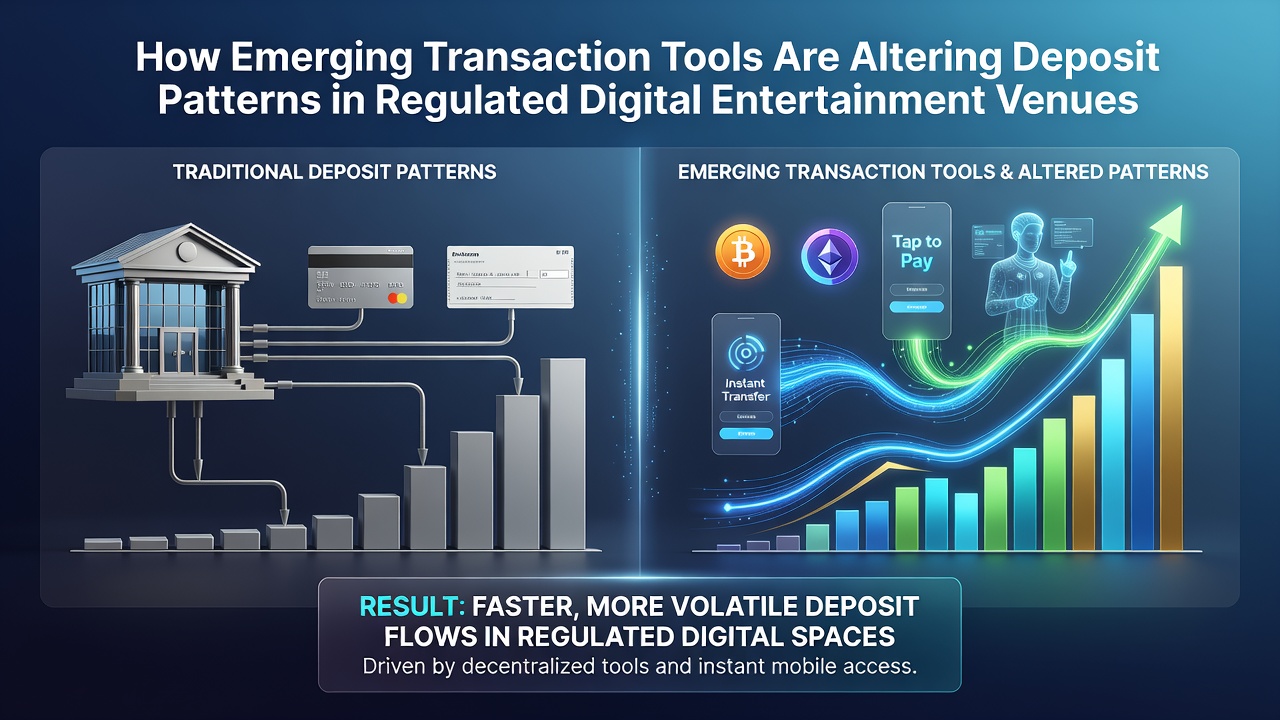
Payment technologies continue to evolve rapidly, and data from multiple jurisdictions shows measurable shifts in how users deposit funds into licensed online gaming accounts, with patterns moving away from traditional card-based methods toward faster, integrated alternatives that reduce friction at checkout.
Observers note that open banking protocols combined with biometric verification have gained traction since early 2025, allowing direct account-to-account transfers that bypass card networks entirely in many cases. Research from the Australian Gambling Research Centre indicates these tools correlate with smaller average deposit sizes but higher overall transaction frequency across monitored platforms.
Tracking Deposit Volume Changes Through Mid-2026
Figures released in June 2026 from North American regulatory bodies reveal that instant bank transfer adoption in regulated markets rose by 34 percent year-over-year, while credit card deposits declined proportionally in the same period. Those who've analyzed transaction logs across multiple operators report that users now complete deposits in under 12 seconds on average when using embedded wallet solutions, compared with older methods that required additional authentication steps.
What's interesting is how these speed improvements appear to influence session behavior. Studies conducted by the National Council on Problem Gambling in the United States found correlations between instant funding options and extended play periods, though the research stops short of establishing causation and instead highlights the need for continued monitoring of spending velocity.
Regional Variations in Tool Adoption
European markets show distinct preferences compared with North American ones. Data compiled by the European Gaming and Betting Association demonstrates that digital voucher systems integrated with loyalty programs account for nearly one-fifth of all deposits in several member states, whereas Canadian provinces report stronger uptake of cryptocurrency-adjacent stablecoin options within licensed environments. These differences reflect local banking infrastructure and regulatory frameworks rather than any universal trend.
One study revealed that operators offering multiple payment rails simultaneously see deposit completion rates climb above 92 percent, whereas single-method platforms lag noticeably behind. Researchers discovered that players often maintain two or three active funding sources, switching between them based on bonus eligibility or processing speed at any given moment.
Impact on Operator Reporting and Compliance
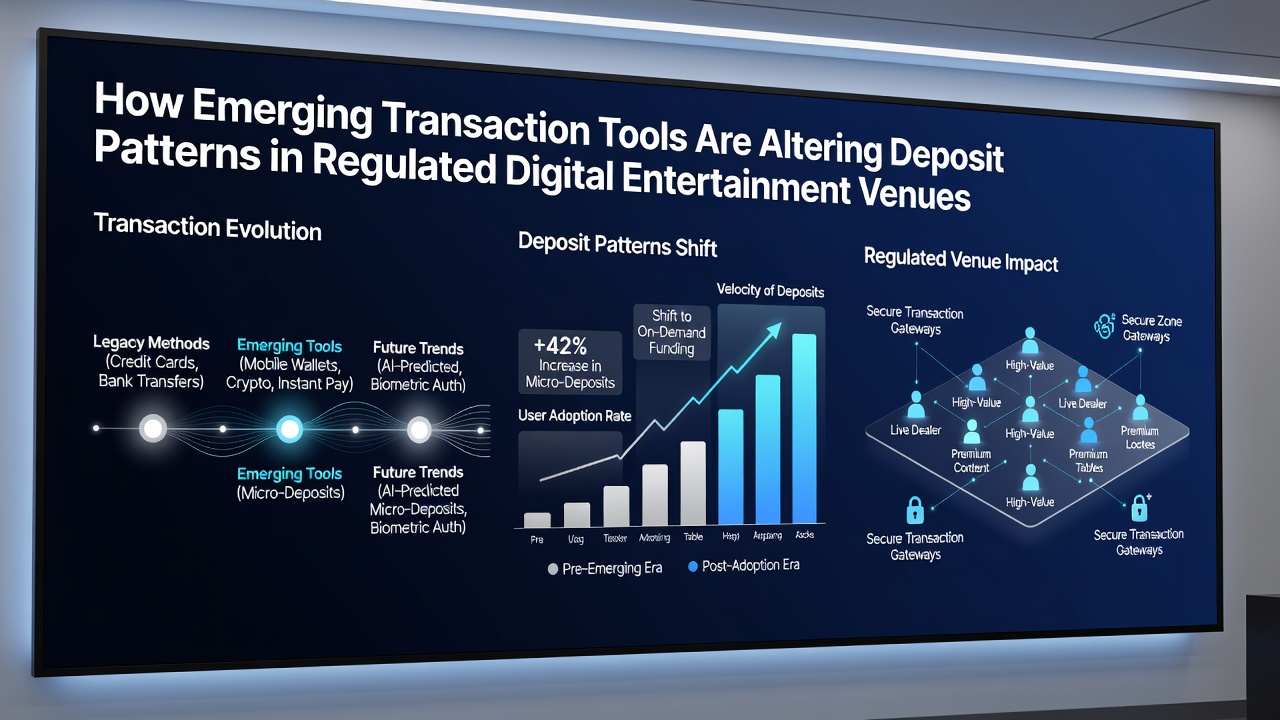
Regulators in several jurisdictions now require granular reporting on payment method distribution, and this requirement has prompted operators to redesign backend systems accordingly. According to industry reports from the American Gaming Association, platforms that fail to track these metrics risk compliance gaps during audits, especially when deposit patterns suggest potential problem gambling indicators tied to rapid funding cycles.
Yet the reality is that many smaller operators still operate legacy systems that cannot easily segment data by payment type. Those who've studied this know that bridging the gap requires significant investment in API integrations, which larger groups have already completed while independents continue to lag.
Future Trajectory Based on Current Indicators
Projections based on first-half 2026 numbers suggest that embedded finance features, where gaming accounts link directly to banking apps, will account for over 40 percent of all deposits by the end of the year in mature markets. This shift coincides with broader financial technology adoption outside gaming and appears driven primarily by consumer familiarity rather than operator marketing.
Observers note that security enhancements such as device-bound tokens and behavioral analytics continue to reduce fraud rates even as transaction volumes rise. Data shows these measures have kept chargeback percentages stable despite the move toward less reversible payment rails.
Conclusion
The landscape of deposit methods in regulated digital entertainment continues to fragment along technological and regional lines, with emerging tools driving measurable changes in volume, frequency, and user pathways. Evidence from multiple independent sources points to sustained evolution rather than any single dominant solution, and operators must maintain flexible infrastructure to accommodate ongoing shifts without compromising compliance standards.