Emerging Digital Payment Systems Bridge Virtual Table Interactions in Regulated Markets
Ben Schulz · Jun 11, 2026
Emerging Digital Payment Systems Bridge Virtual Table Interactions in Regulated Markets
Regulated markets around the world continue to witness steady growth in virtual table games such as poker, blackjack, and roulette, while digital payment technologies advance at a parallel pace, creating new pathways for seamless player interactions, and observers note that this convergence has gained particular momentum by June 2026 as licensing bodies in multiple jurisdictions update their frameworks to accommodate faster transaction methods.
Regulatory Foundations Across Regions
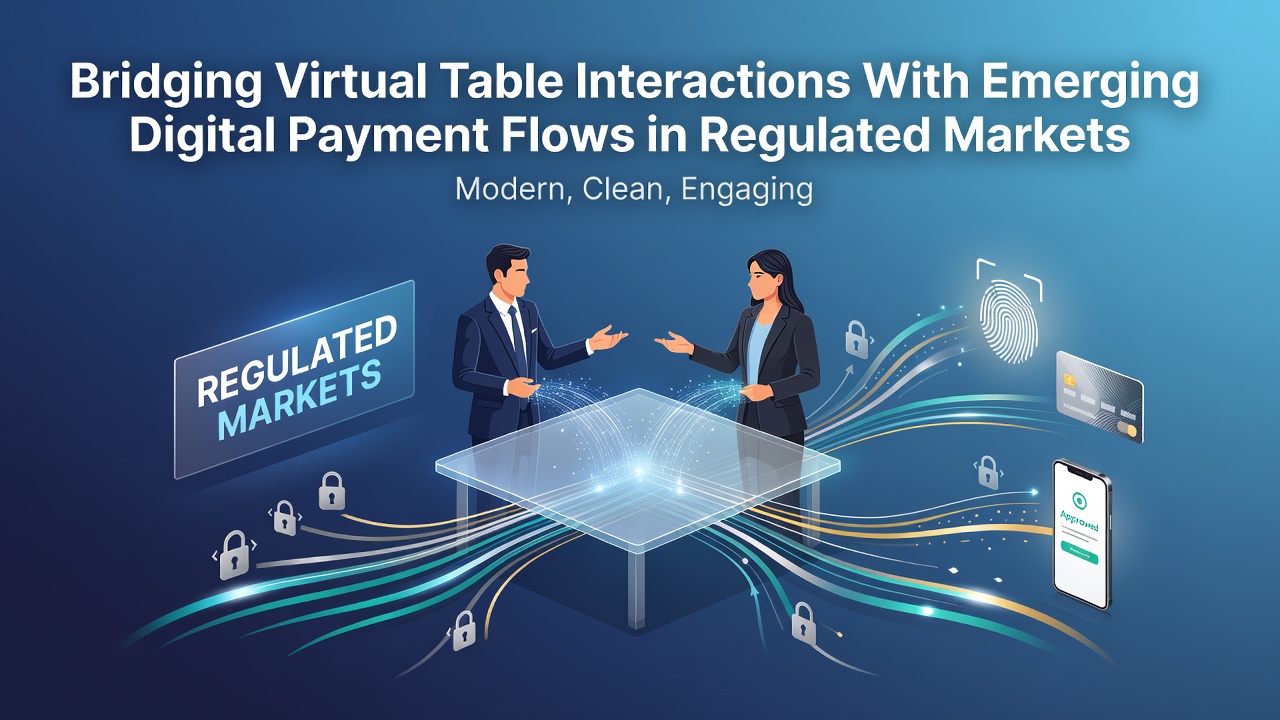
Data from industry reports shows that jurisdictions in North America, Europe, and the Asia-Pacific have implemented licensing regimes that require payment providers to meet strict compliance standards before integrating with virtual table platforms, and these rules often mandate real-time monitoring systems to track fund flows while maintaining player privacy protections. Researchers at the Australian Gambling Research Centre have documented how state-level regulators in Australia require operators to use approved payment rails that verify funds originate from licensed sources, which reduces risks associated with unauthorized transfers during live table sessions.
American Gaming Association analyses indicate similar patterns in several US states where virtual table offerings have expanded since 2023, with payment integrations now tied directly to geofencing technology and identity verification protocols that activate before any table interaction begins. Those who've examined these systems observe that the result is a layered process in which players deposit, join tables, and withdraw winnings through channels that automatically comply with local tax reporting requirements.
Payment Technologies Driving Table Integration
Instant bank transfer systems and digital wallet solutions now connect directly to virtual table interfaces, allowing players to move funds without leaving the gaming environment, and this direct linkage has become standard in markets where regulators permit open banking frameworks. Central bank digital currency pilots in select European countries have begun testing compatibility with licensed table platforms, creating potential for near-instant settlement during multi-player sessions where timing affects game flow.
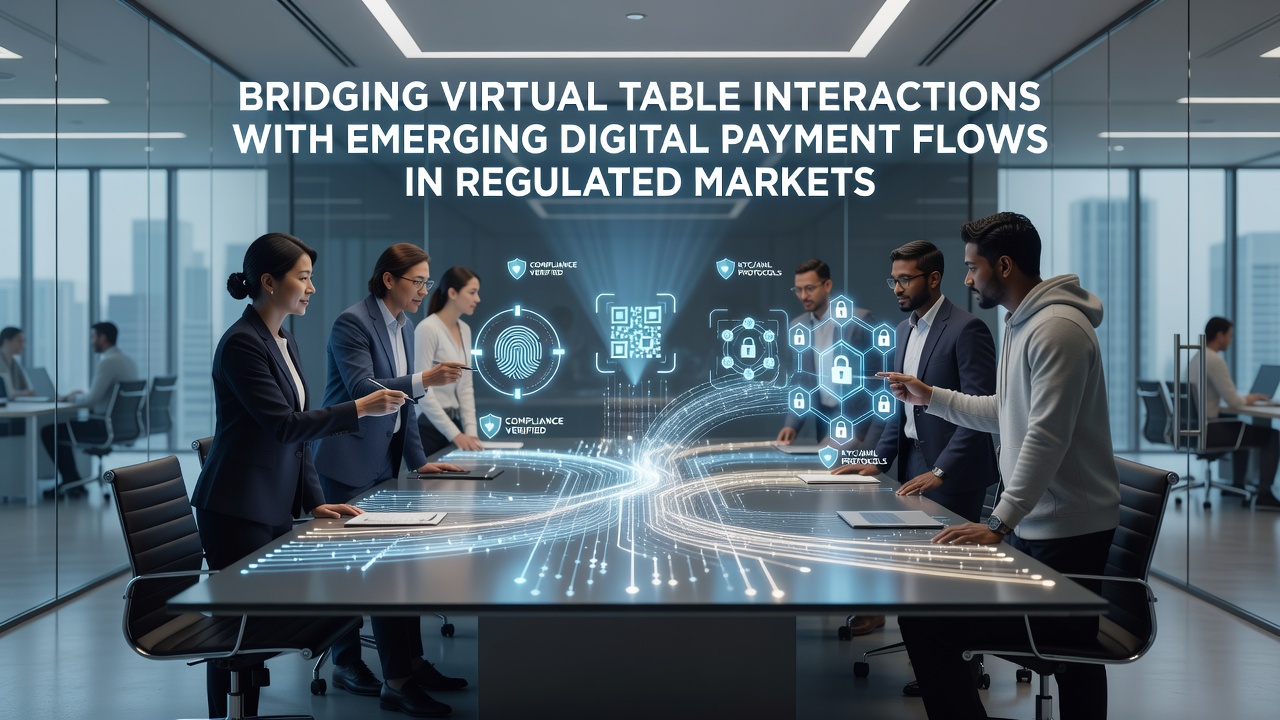
Industry studies reveal that these technologies reduce average deposit times from several minutes to under thirty seconds in many cases, which in turn increases table occupancy rates during peak hours. Canadian regulatory bodies have published guidelines that explicitly address how payment processors must segment funds for table games separately from other gambling products, ensuring clearer audit trails when disputes arise over session outcomes.
Operational Impacts on Licensed Operators
Operators report that integrating these payment flows requires updates to backend systems that previously handled table interactions and financial transactions as separate modules, and the merged architecture now supports features such as in-game tipping or side-bet funding without additional authentication steps. Data compiled by research institutions shows measurable increases in average session length when payment friction decreases, although regulators continue to require responsible gambling tools that remain active regardless of transaction speed.
One study released in early 2026 examined platforms across three continents and found that virtual table retention improved when players could toggle between multiple approved payment methods mid-session, while security protocols still enforced daily limits set by each jurisdiction. Those monitoring market trends note that smaller operators often partner with established payment specialists to achieve compliance rather than building proprietary solutions from scratch.
Future Developments and Standards
Trade organizations continue to collaborate on technical standards that would allow virtual table software to interface with emerging payment rails across borders, yet each market retains authority to set its own approval criteria. By June 2026 several working groups had released draft specifications covering encryption requirements and transaction logging formats that align with existing anti-money laundering directives in multiple regions.
Academic papers examining pilot programs suggest that further integration could enable features such as conditional payments triggered by specific table events, provided regulators approve the underlying logic and oversight mechanisms. Observers note that these possibilities depend on continued dialogue between technology providers, licensed operators, and government agencies tasked with maintaining market integrity.
Conclusion
The ongoing alignment between virtual table systems and digital payment infrastructure reflects broader shifts in how regulated markets manage both entertainment access and financial oversight. Evidence from licensing records and compliance reports demonstrates that jurisdictions prioritizing clear technical standards achieve higher rates of authorized participation while maintaining control over transaction pathways. As additional regions evaluate similar integrations, the patterns established in early-adopting markets provide reference points for balancing innovation with regulatory objectives.