Data Patterns and Analytics Shape Customized Bonuses in Virtual Card Games
Lars Schulz · Jul 12, 2026
Data Patterns and Analytics Shape Customized Bonuses in Virtual Card Games
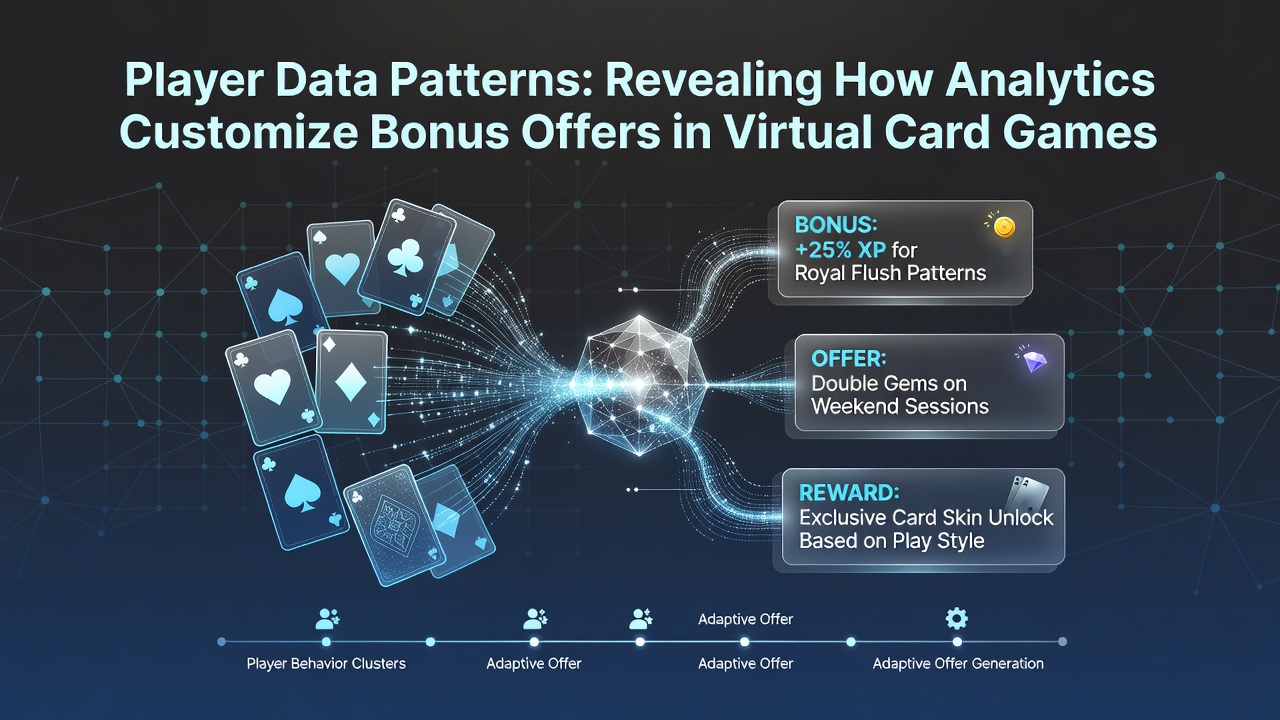
Virtual card games such as online poker and blackjack have seen analytics teams collect detailed player information to adjust bonus structures on a case-by-case basis, and operators use these patterns to match offers with individual behaviors rather than applying uniform promotions across all accounts. Research from institutions like the University of Nevada's gaming studies program shows how session length, win rates, and deposit frequency feed into algorithms that determine bonus value, expiration periods, and wagering requirements.
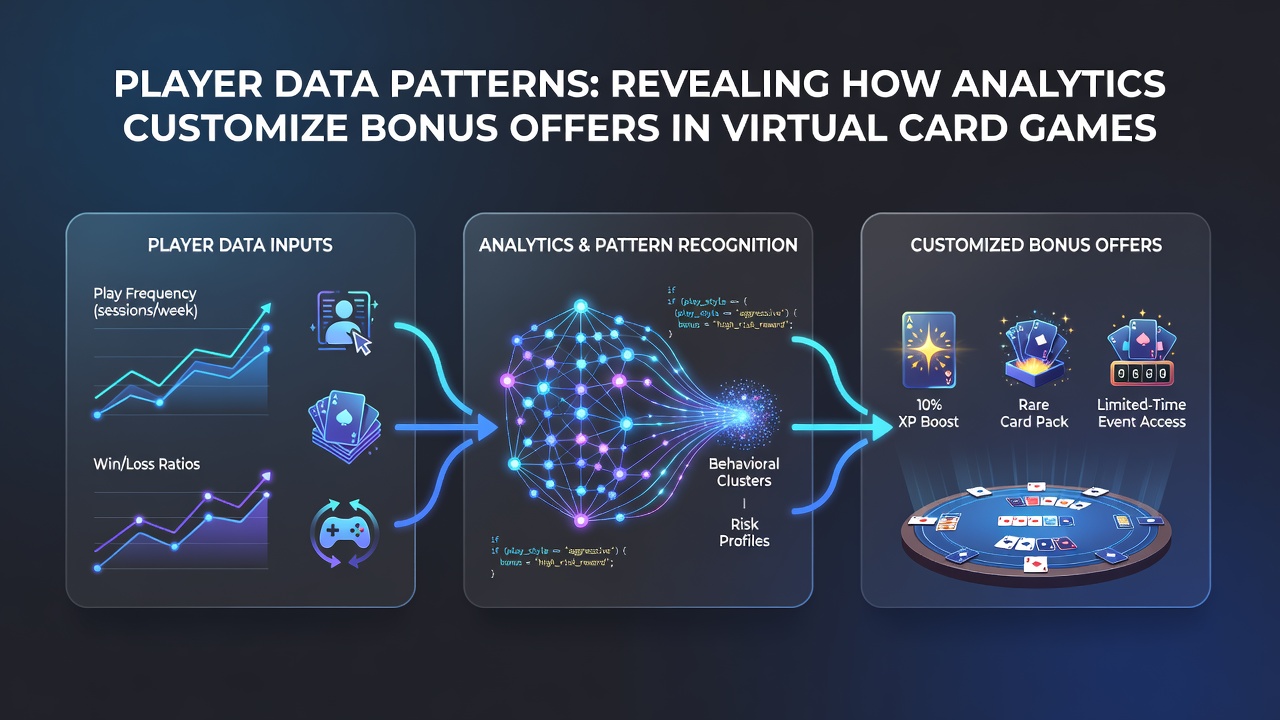
Operators track metrics including average bet size per hand, frequency of multi-table play, and response rates to previous promotions, then feed this information into machine learning models that predict which bonus types will encourage continued engagement. Data collected through July 2026 indicates that players who complete at least fifteen hands per session receive offers with lower playthrough conditions compared to those who log shorter visits, while high-volume participants often see deposit-match percentages scaled to their historical activity levels.
Core Metrics That Drive Personalization
Player segmentation begins with behavioral clusters formed from transaction histories and in-game actions, and analysts group users according to risk tolerance, preferred game variants, and time-of-day activity peaks before any bonus calculation occurs. A report published by the Canadian Gaming Association highlights that variance in hand outcomes and fold rates help distinguish recreational participants from those pursuing consistent returns, allowing systems to route different incentive packages to each group.
Deposit patterns also influence outcomes because repeated small transfers trigger retention bonuses more often than sporadic large deposits, whereas withdrawal frequency can reduce the size of future offers since models interpret rapid cash-outs as signals of lower long-term value. These adjustments happen automatically through backend systems that update player profiles in real time, so the next login may display an offer tailored to the most recent session data.
Implementation Across Major Platforms
Leading virtual card game sites integrate third-party analytics tools that process anonymized datasets to refine bonus engines, and this approach allows operators to test multiple offer variations simultaneously without manual intervention. One study conducted across North American and European markets found that A/B testing of bonus parameters reduced player churn by measurable percentages when offers aligned closely with observed play styles.
Time-based triggers add another layer because models detect periods of reduced activity and automatically generate reload bonuses or free tournament entries to re-engage dormant accounts, and these interventions often appear within forty-eight hours of a detected drop in login frequency. Geographic data further refines targeting since regulatory environments differ by jurisdiction, prompting operators to adjust bonus structures to comply with local rules while still using the same underlying player pattern analysis.
Regulatory and Industry Context
Gaming control boards in multiple regions require transparency around how player data informs promotions, and operators must maintain audit trails that document the logic behind each customized offer. Industry associations such as the European Gaming and Betting Association have published guidelines encouraging clear communication of bonus terms, yet the underlying analytics remain proprietary and continue to evolve with advances in predictive modeling.
Academic papers from research centers in Australia and the United States examine the ethical boundaries of such personalization, focusing on whether intensive data use could inadvertently encourage extended play among certain demographic segments. These studies rely on aggregated datasets rather than individual records, yet they confirm that pattern recognition has become standard practice across the sector.
Future Developments in Bonus Analytics
Advances in real-time processing allow platforms to adjust bonus parameters mid-session when new behavioral signals emerge, and this capability expands the range of variables considered beyond historical averages to include current session trends. Partnerships between software providers and academic researchers continue to explore how additional data streams, such as device usage and navigation paths through lobby menus, might further refine offer relevance without compromising privacy standards.
Cross-platform data sharing remains limited due to competitive concerns, but anonymized benchmarking initiatives have begun to emerge through neutral third parties that compile industry-wide statistics on bonus redemption rates and player retention following personalized promotions.
Conclusion
Analytics have shifted bonus customization in virtual card games from broad campaigns to individualized structures based on observable player patterns, and continued refinement of these systems depends on both technological progress and regulatory oversight across different jurisdictions. The integration of session-level metrics with longer-term behavioral profiles enables operators to align incentives more precisely while meeting compliance requirements that vary by region.