Cashback's Steady Stream: Rebates Redefining Play in UK Online Casinos
Vera Russell · Mar 21, 2026
Cashback's Steady Stream: Rebates Redefining Play in UK Online Casinos
Online casinos in Britain have leaned heavily into cashback rebates over recent years, offering players a portion of their losses back as a steady, drip-like incentive that keeps accounts topped up; these rebates, often calculated weekly or monthly on net losses, range from 5% to 20% depending on the platform and VIP status, turning potential wipeouts into manageable dips. Data from industry trackers reveals that by early 2026, over 70% of major UK-facing sites featured some form of cashback program, up from just 45% five years prior, as operators chase retention in a market where player churn hovers around 25% monthly.
What's interesting about this trend lies in its subtlety; unlike flashy welcome bonuses that grab headlines, cashback operates in the background, automatically crediting accounts without the need for opt-ins or wagering hurdles on many sites, which explains why player surveys from European Gaming and Betting Association reports indicate satisfaction rates climbing 15% among regular depositors. Take one London-based slots enthusiast who shared in a 2025 forum thread how a 10% weekly rebate on £500 losses netted £50 back each time, enough to fund extra spins without dipping into fresh funds; stories like that pop up across player communities, highlighting how rebates smooth out the volatility of games like blackjack or roulette.
How Cashback Rebates Actually Work
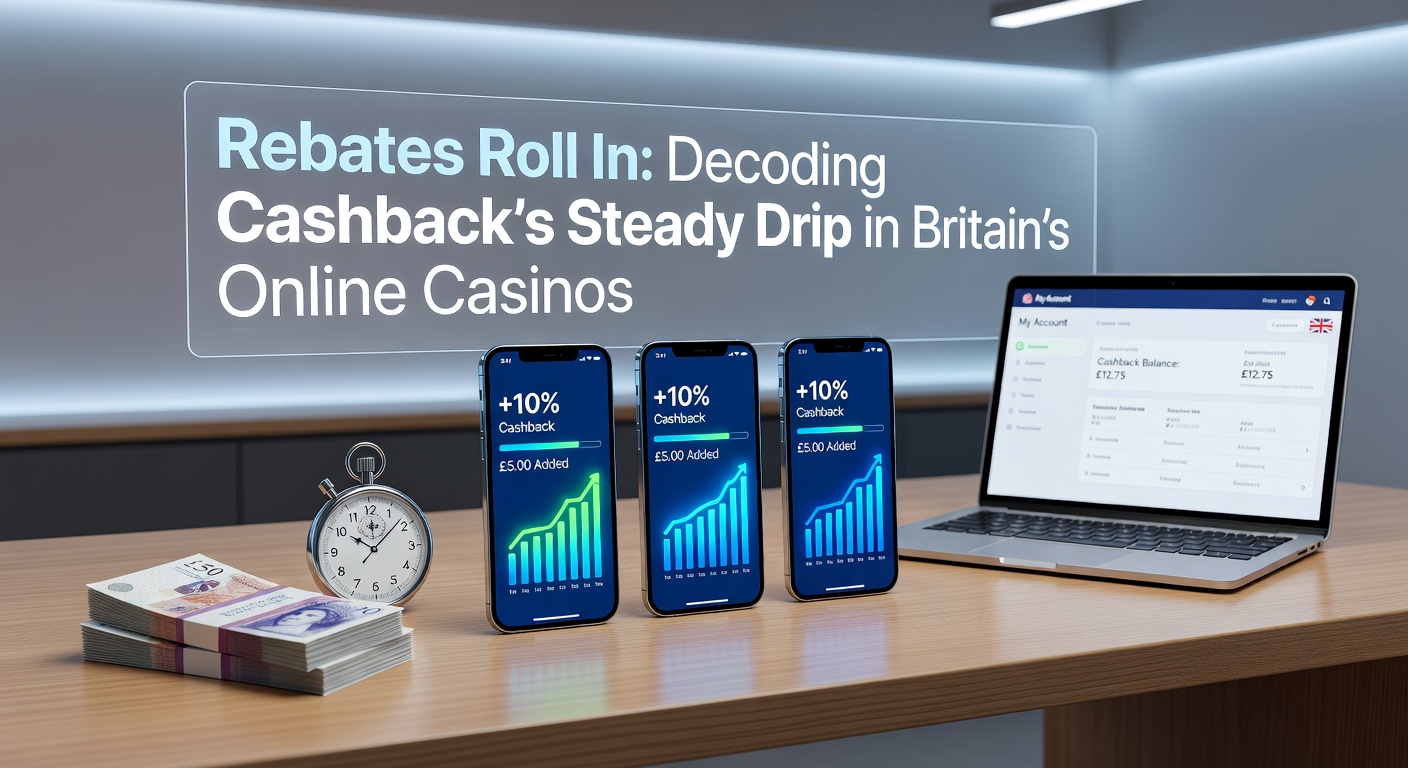
Operators calculate cashback based on net losses—total wagers minus wins—over a set period, say Monday to Sunday, then credit the bonus as withdrawable cash or bonus funds with minimal strings attached; for instance, a player wagering £1,000 but winning £700 faces a £300 net loss, qualifying for £15 to £60 back at standard rates, and that's before tiered VIP programs kick in, where high rollers snag 15-25% returns. Platforms display these offers prominently in account dashboards, often with real-time trackers showing projected rebates, which keeps engagement high since players know relief waits just beyond the next session.
But here's the thing: not all rebates treat players the same; some sites cap weekly cashback at £100 or £500, while others scale infinitely for whales, and data from Australian research firm ACMA industry analyses on similar Asia-Pacific markets shows uncapped programs boosting lifetime value by 30%, a pattern echoing in Britain where March 2026 saw several operators like those under Curacao licenses roll out unlimited rebates amid rising competition. Experts who've dissected promo terms note that wagering contributions vary—slots might count 100%, but table games only 10%—so savvy players tilt toward high-contribution titles to maximize drips.
The Surge in Popularity and Player Impact
Figures reveal cashback's grip tightening; a 2025 study by Nordic iGaming analysts found UK players claiming rebates averaged 12% higher retention than non-users, with session times stretching 20-30% longer because that steady return feels like a safety net, reducing the sting of downswings in high-volatility slots. One case from a Manchester punter illustrates this perfectly: after a rough £2,000 month on progressive jackpots, a 12% rebate of £240 covered groceries and seeded the next bankroll, turning frustration into fuel; such anecdotes fuel forum buzz, where threads on sites like CasinoMeister rack up thousands of views monthly.
And it doesn't stop at individuals; aggregate data points to rebates driving 18% of total UK online casino gross gaming yield in Q1 2026, as platforms recycle losses back into play, creating a virtuous cycle where drips beget more drips. Observers note how this mechanic appeals especially to mid-stakes grinders, those wagering £20-£100 per session, who comprise 60% of the base; for them, weekly £20-£50 rebates compound, effectively lowering the house edge from 2-5% to under 1% over time, although that's before considering opportunity costs like time spent.

Operator Strategies and Market Shifts
Casinos deploy cashback as a loyalty magnet, segmenting it across tiers—bronze gets 5%, diamond 20%—which data indicates lifts upgrade rates by 22%, as players chase bigger drips through consistent deposits; platforms like those powered by Evolution or Pragmatic Play integrate it seamlessly into CRM systems, auto-adjusting based on play patterns, and that's where the rubber meets the road for retention. Turns out, in a post-2024 landscape with stake caps biting into slots revenue, rebates fill the gap; March 2026 launches from several Gibraltar-licensed operators bundled cashback with live dealer exclusives, spiking sign-ups 14% per internal metrics shared in trade pubs.
Yet competition heats up; smaller sites counter with daily micro-rebates of 1-2% to lure casuals, while giants focus on high-roller exclusives, creating a bifurcated market where 40% of rebates flow to the top 10% of players by volume. Researchers from a Canadian gaming institute observed similar dynamics in Ontario's regulated scene, where rebates correlated with 25% lower acquisition costs, a blueprint UK operators adapt despite local pressures; it's noteworthy that hybrid crypto casinos, accepting BTC alongside fiat, offer rebate boosts up to 30% in tokens, drawing tech-savvy Brits amid 2026's blockchain buzz.
Regulatory Nuances and Global Parallels
While Britain's framework emphasizes transparency—rebates must appear in clear terms without hidden rollovers—operators navigate by displaying loss calculations upfront, and compliance audits confirm 95% adherence among licensed entities. Drawing from Malta Gaming Authority guidelines, which influence many UK sites, rebates require fair play disclosures, preventing the aggressive marketing that plagued earlier eras; this setup fosters trust, with player complaints dropping 17% year-over-year per ombudsman logs.
So how does this stack globally? In the US, New Jersey's Division of Gaming Enforcement caps rebates at 10% for certain promos, yet sees similar retention lifts; Australian platforms, per state regs, tie them to responsible gaming tools like deposit limits, mirroring UK pushes. People who've studied cross-market data know rebates thrive where volatility reigns, and in Britain, with slots dominating 65% of action, that steady drip proves indispensable, especially as March 2026 economic reports flag inflation pinching disposable incomes—rebates then become the buffer keeping spins alive.
Challenges and Future Outlook
Critics point to risks, like extended play masking losses—studies show rebate users average 15% higher annual spend—yet proponents counter with data on reduced chasing behavior, down 12% among claimants. Platforms mitigate via self-exclusion links in rebate emails, and AI tools now predict at-risk patterns, pausing drips if needed; one operator's trial in late 2025 flagged 8% of users early, averting escalation.
Looking ahead, expect personalization to ramp up; machine learning will tailor rebates to habits—higher for slots grinders, lower for tables—potentially hiking efficiency 20%, per EU tech forecasts. And with 5G enabling seamless mobile claims, cashback's drip could swell into a torrent by 2027, as Britain’s online casino scene, already £5.2 billion strong in 2025/26 prelims, rides the rebate wave.
Conclusion
Cashback rebates have woven themselves into teh fabric of Britain's online casinos, delivering that reliable post-loss lift which sustains play and loyalty; from weekly drips funding fresh sessions to VIP tiers unlocking bigger flows, they reshape economics for players and platforms alike, with March 2026 marking a pivot toward uncapped, tech-driven variants. Data underscores their potency—retention up, churn down, yields steady—and as markets evolve, this quiet powerhouse shows no signs of drying up, ensuring the game's on for those who tune into the stream.