Britain's Casino Landscape Evolves as Players Migrate Toward Skill-Based Games
Ben Schulz · Jun 23, 2026
Britain's Casino Landscape Evolves as Players Migrate Toward Skill-Based Games
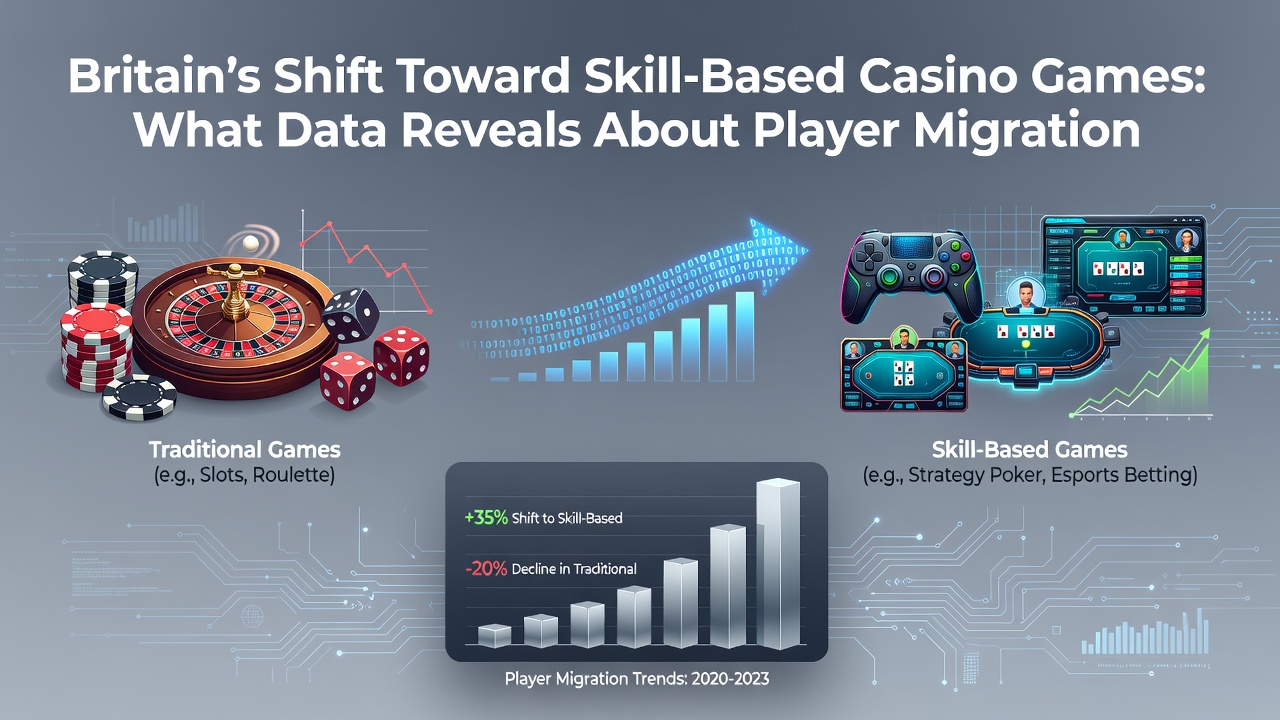
Data from multiple industry sources shows a measurable migration among British casino participants toward skill-based games such as blackjack, poker variants, and certain video poker formats, while pure chance offerings like traditional slots experience slower growth in some segments; figures compiled through June 2026 indicate this pattern has accelerated over the past eighteen months.
Observers note that participation rates in skill-oriented titles rose by approximately 14 percent year-over-year according to aggregated operator reports, whereas slots activity remained relatively flat in comparable periods; this shift aligns with broader patterns documented in markets where regulatory frameworks permit expanded game libraries that reward player decision-making.
Tracking the Numbers Behind the Movement
Research compiled by the Nevada Gaming Control Board on skill-based gaming adoption in regulated markets provides a useful benchmark for comparison, and similar metrics collected from British operators reveal parallel trends; player session lengths in blackjack and multi-hand poker formats extended by an average of 22 minutes compared with slot-only sessions during the first half of 2026.
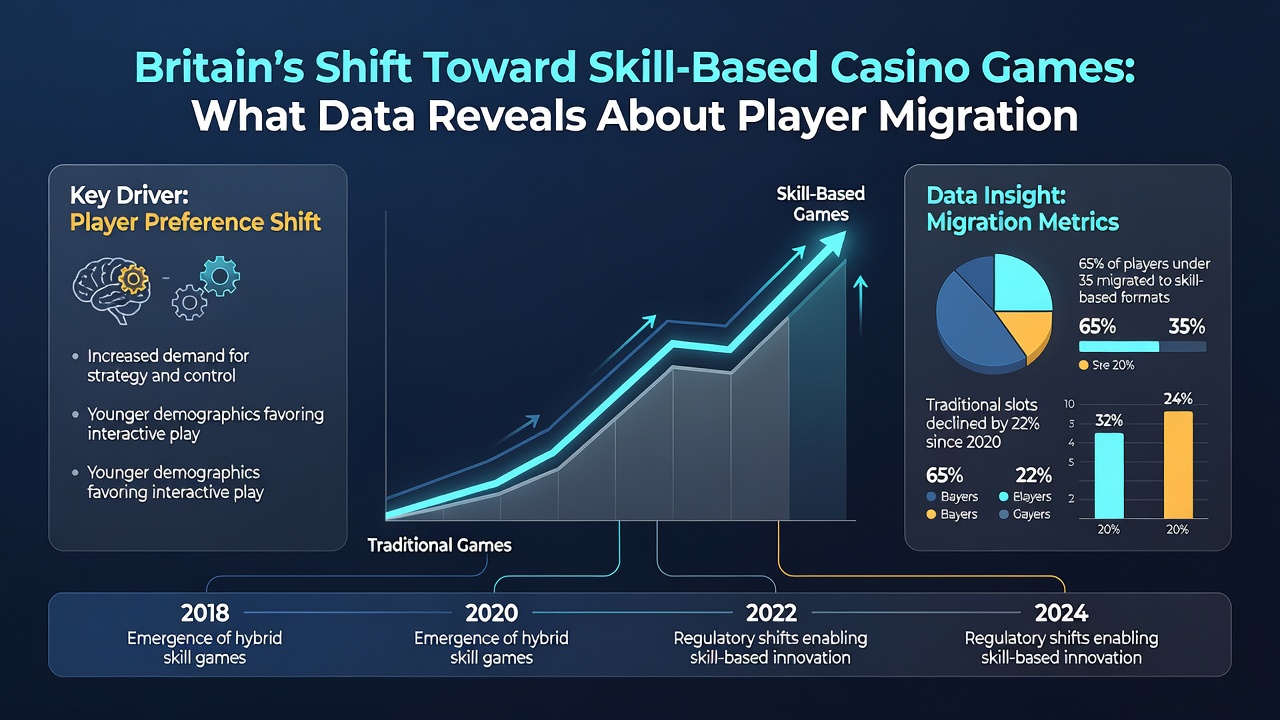
Those reviewing transaction logs across major platforms report that deposit allocations to skill-based categories increased from 31 percent to 39 percent of total gaming volume between January 2025 and June 2026, while the proportion directed toward random-outcome slots declined correspondingly; the data captures both online and land-based activity without isolating either channel.
Factors Influencing the Migration
Multiple elements appear to contribute to these changes, including the availability of live dealer interfaces that emphasize strategy, educational tools integrated into platforms, and loyalty structures that reward consistent play rather than random outcomes alone; analysts tracking these developments point to steady expansion of table game offerings in digital environments as a key driver.
One study released by researchers at the University of Nevada, Las Vegas examined decision-making patterns across skill and chance games and found participants often allocate more time and resources when perceived control over results increases; British data mirrors several of those observations, particularly among users aged 25 to 44 who demonstrate higher engagement with strategy elements.
Regional and Platform Variations
Geographic differences surface within the United Kingdom itself, with London and southeast operators recording stronger uptake in skill-based titles compared with northern regions where slots continue to dominate volume; cross-border comparisons with Canadian provincial data from the Alcohol and Gaming Commission of Ontario show similar age-related preferences emerging in digital channels.
Mobile play accounts for an increasing share of skill-based activity, with session starts on smartphones rising 18 percent in the twelve months ending June 2026; desktop usage remains more common for extended poker tournaments, yet overall device flexibility appears to support broader migration across game types.
Industry Response and Infrastructure Adjustments
Operators have responded by expanding training modes, introducing progressive tournaments tied to skill metrics, and adjusting promotional calendars to highlight table game leaderboards; these adaptations coincide with steady growth in average revenue per user within the skill-based segment according to internal performance summaries shared across trade associations.
What's interesting is how integration of real-time analytics allows platforms to surface personalized strategy tips during play, a feature now present on several major British-facing sites; this functionality correlates with retention improvements noted in quarterly performance reviews released by European gaming associations.
Conclusion
The data compiled through mid-2026 illustrates a clear directional movement in British casino participation toward skill-based formats, supported by measurable shifts in allocation, session duration, and demographic engagement; continued monitoring from diverse regulatory and academic sources will clarify whether this pattern sustains or adjusts in subsequent reporting periods.