Biometric Authentication Trends Reshape Entry Methods for Sports Wagering Platforms
Lars Schulz · Jun 28, 2026
Biometric Authentication Trends Reshape Entry Methods for Sports Wagering Platforms
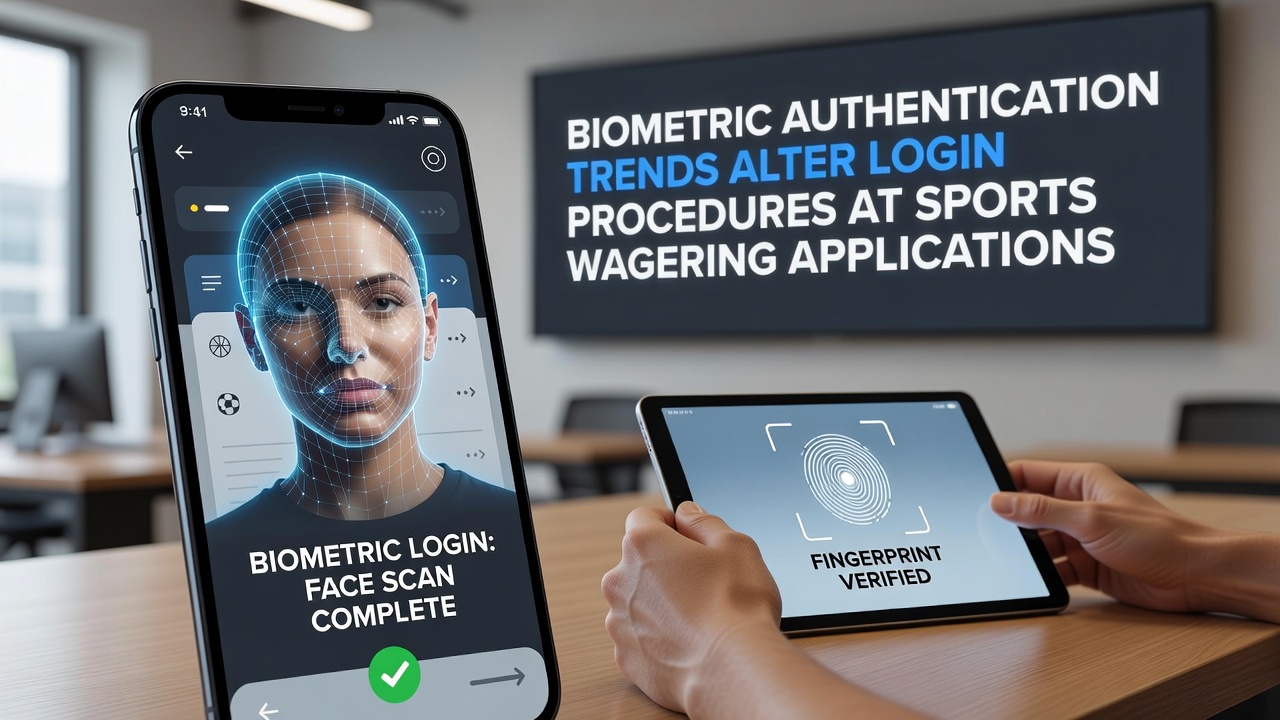
Biometric authentication methods continue to gain traction across sports wagering applications as operators replace traditional password systems with fingerprint scans, facial recognition, and voice verification tools. Data from industry reports indicates that these technologies reduce login times while addressing security concerns that arise from credential theft and account takeovers. Operators in multiple regions have integrated these features into mobile platforms, allowing users to access betting accounts through physical traits rather than memorized strings of characters.
Researchers at various institutions have documented steady growth in biometric adoption within the wagering sector since 2024, and figures from mid-2025 showed continued acceleration. In June 2026, several major platforms rolled out updated versions of their apps that default to biometric prompts on supported devices, a shift driven by both regulatory expectations and user demand for streamlined access. Observers note that this change aligns with broader patterns seen in financial services where similar verification techniques have become standard.
Key Biometric Methods in Use
Fingerprint recognition remains the most widespread option because many smartphones already include the necessary hardware, and integration requires minimal additional development. Facial recognition follows closely behind, with advanced depth-sensing cameras enabling liveness detection that distinguishes between real users and photographs or videos. Voice biometrics appear in select applications, particularly those targeting desktop users who connect through microphones on laptops or external devices, although adoption rates stay lower than mobile-centric methods.
Studies conducted by academic teams at institutions in North America and Europe reveal that combining multiple biometric factors, such as fingerprint plus facial scan, further strengthens verification accuracy. One analysis published through a Canadian research consortium found error rates below 0.1 percent when dual modalities operate together, compared with single-method approaches that occasionally produce false rejections during rapid user movement or poor lighting conditions.
Impact on Login Procedures and User Experience
Login flows have shortened considerably once biometric options replace password entry fields. Users open an app, trigger the sensor, and gain immediate access without typing or navigating through recovery steps when credentials are forgotten. Sports wagering platforms report fewer abandoned sessions during peak event periods, such as major league matches, because friction points disappear from the process.
Operators have also adjusted backend systems to handle biometric templates securely through encryption and tokenization rather than storing raw images or audio files. This approach complies with data protection requirements in jurisdictions like those overseen by iGaming Ontario, where explicit consent protocols govern how personal identifiers are processed. A linked report from the Ontario regulatory framework outlines standards that several international operators now follow when deploying these systems across borders.
Security Advantages and Industry Data
Biometric systems limit exposure to common attack vectors including phishing campaigns and password reuse across multiple sites. When a device itself authenticates the user locally before transmitting any data to servers, the window for interception narrows. Industry associations tracking cybersecurity incidents in gaming environments have recorded declines in unauthorized access attempts on platforms that fully transitioned to biometrics by early 2026.
Evidence from a University of Nevada study on digital wagering security shows that platforms incorporating liveness checks experience fewer synthetic identity fraud cases. The research compared accounts secured solely by passwords against those using facial recognition with three-dimensional mapping and documented measurable differences in breach frequency over twelve-month periods.
Regional Adoption Patterns
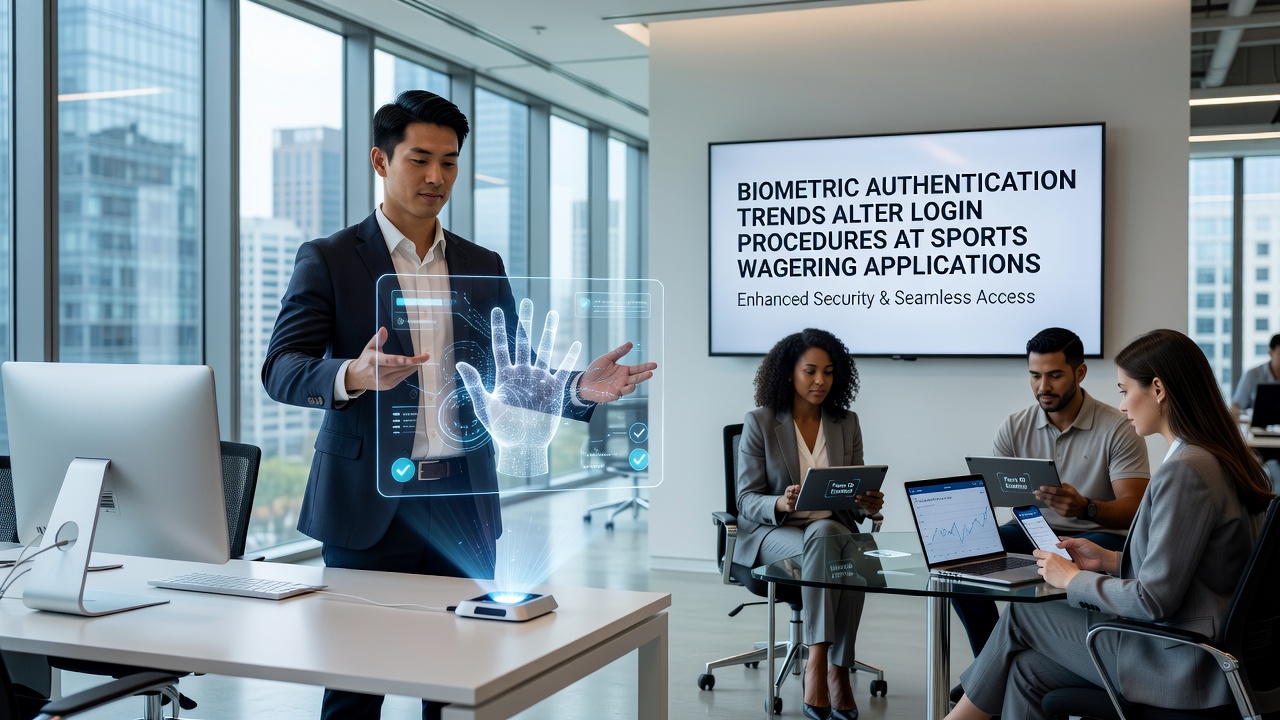
North American markets have moved quickly because device penetration rates for modern smartphones remain high, and regulatory bodies encourage innovation that protects player funds. European operators face additional layers of compliance under existing digital service rules, yet many have still introduced biometric logins within the past eighteen months. Australian platforms, guided by frameworks from the Australian Communications and Media Authority, similarly emphasize secure verification while maintaining accessibility for users across varying connection speeds.
Those who have examined cross-border data note that consistency in biometric standards helps operators manage accounts for international users without creating separate verification paths. One Australian government-linked analysis highlights how standardized testing protocols for biometric accuracy support smoother market entry for new applications.
Challenges Encountered During Implementation
Not every device supports the latest biometric hardware, which forces operators to retain fallback methods such as one-time passcodes sent via SMS or email. Older operating systems sometimes produce compatibility issues that require ongoing maintenance from development teams. Privacy considerations also surface when users question how their biometric data travels between device and server, even though most systems process templates locally and discard raw captures immediately after verification.
Accessibility remains another area under review because certain biometric methods perform less reliably for individuals with physical differences or temporary injuries. Developers continue to refine algorithms and add alternative pathways to ensure equitable access across user populations.
Future Directions
Emerging trends point toward behavioral biometrics that analyze typing rhythms, swipe patterns, and device handling habits alongside traditional physical traits. These passive layers add continuous verification throughout a session rather than only at initial login. Pilot programs underway in 2026 test integration with wearable devices that transmit heart rate or other physiological signals to confirm user identity in real time.
Industry projections suggest that by late 2027 the majority of sports wagering applications will default to biometric-first authentication on eligible hardware. Continued refinement of sensor technology and regulatory clarity around data handling will shape how quickly these changes reach smaller operators and emerging markets.
Conclusion
Biometric authentication has moved from experimental feature to standard component in sports wagering login procedures. Platforms that adopt fingerprint, facial, and voice verification report faster access, reduced fraud exposure, and alignment with evolving security expectations from regulators across multiple continents. As hardware capabilities expand and standards mature, further integration of these methods appears likely, supported by ongoing research and operational data from active deployments.