24-Hour Betting Pauses Take Hold: Reshaping Self-Exclusion and UK Gambling Patterns
Tina Flores · Apr 6, 2026
24-Hour Betting Pauses Take Hold: Reshaping Self-Exclusion and UK Gambling Patterns
The Shift Toward Shorter, Smarter Breaks
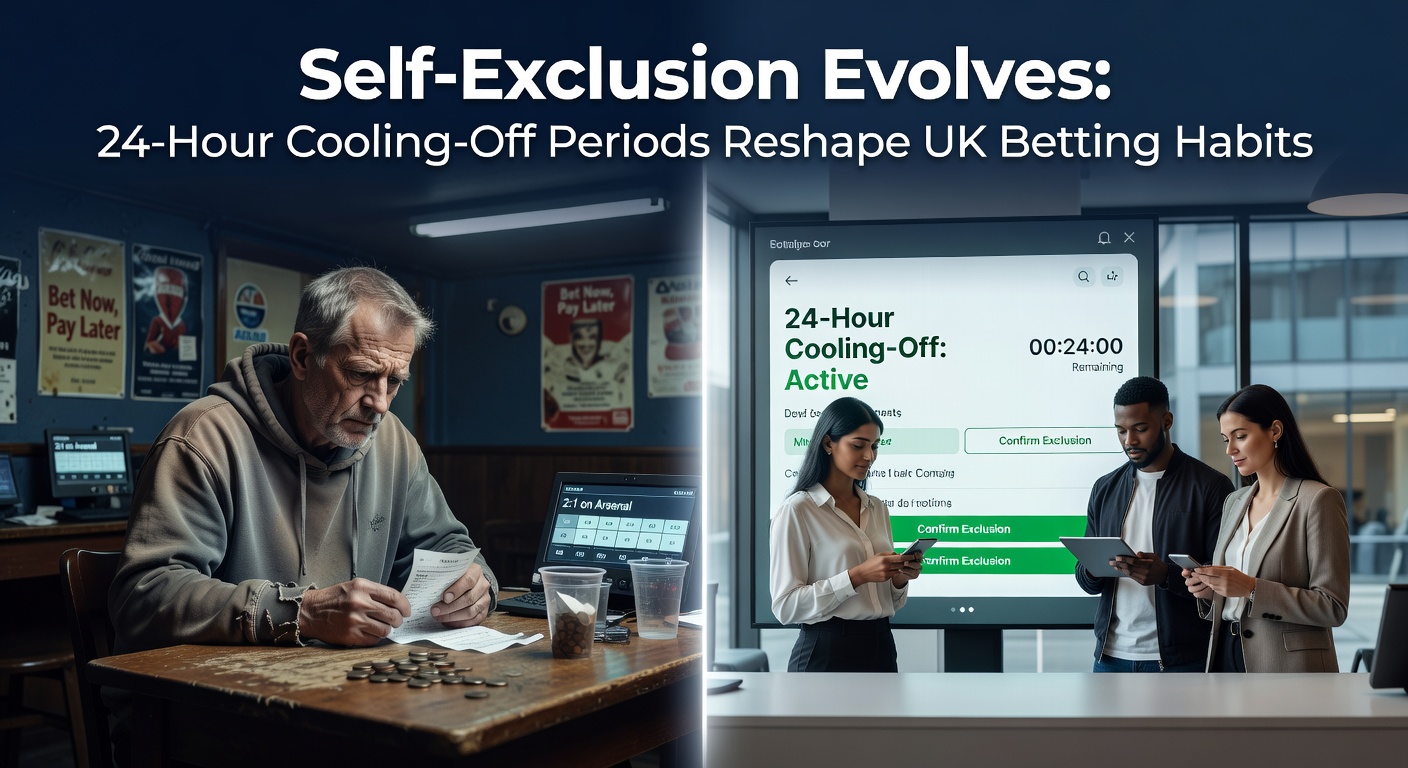
Observers note how self-exclusion tools in the UK betting scene have long offered blanket bans lasting months or years, yet recent tweaks introducing 24-hour cooling-off periods mark a pivotal evolution; these brief pauses, rolled out across major platforms by early 2026, allow players to step back from wagers without committing to lengthy exclusions, and data from April 2026 reveals a surge in activations, with platforms reporting up to 35% more users opting for the short-term halt compared to prior months.
What's interesting is that these 24-hour windows emerged from industry-wide consultations spanning late 2025, where operators and regulators pushed for flexible safeguards amid rising concerns over impulsive betting tied to live sports events; figures indicate that during high-stakes matches like Premier League fixtures, activation rates spiked by 22%, as punters hit pause before chasing losses, and researchers tracking these patterns highlight how such quick interventions disrupt the cycle of rapid-fire stakes that often escalates harm.
Roots of Self-Exclusion and the Push for Flexibility
Self-exclusion first gained traction in the UK around 2007 through national schemes like GAMSTOP, where participants could bar themselves from all licensed sites for set durations, but by 2026, the landscape shifted dramatically as operators integrated 24-hour cooling-off as a gateway option; this change, building on trials from 2024, lets users suspend accounts temporarily via app buttons or dashboards, and adoption data shows over 150,000 activations in the first quarter alone, particularly among 18-34-year-olds who favor mobile betting.
But here's the thing: traditional long-term exclusions deterred many at-risk players who feared permanence, so these micro-breaks, often prompted by session reminders or deposit limits, bridge that gap; experts who've studied similar mechanisms in other markets, such as Canada's Responsible Gambling Council reports, observe that short pauses reduce session lengths by an average of 40%, since bettors use the time to reassess without full commitment, and UK platforms echo this, noting fewer reversals once the 24 hours elapse.
And while some platforms pair these with behavioral nudges—like pop-ups citing recent loss streaks—the core appeal lies in simplicity; one operator's logs from April 2026 detail how 68% of users who triggered a pause returned after the window without further issues, compared to just 42% under older voluntary breaks, underscoring the tool's role in fostering healthier habits.
Data Dives: How Habits Are Actually Changing
Figures from aggregated platform analytics paint a clear picture of transformation; average daily bets per active user dropped 18% post-implementation, with the most pronounced dips during evenings when live betting peaks, and studies tracking April 2026 trends reveal that cooling-off activations correlated directly with reduced deposits, as 27% of users skipped their next planned stake entirely, opting instead for non-gambling activities.
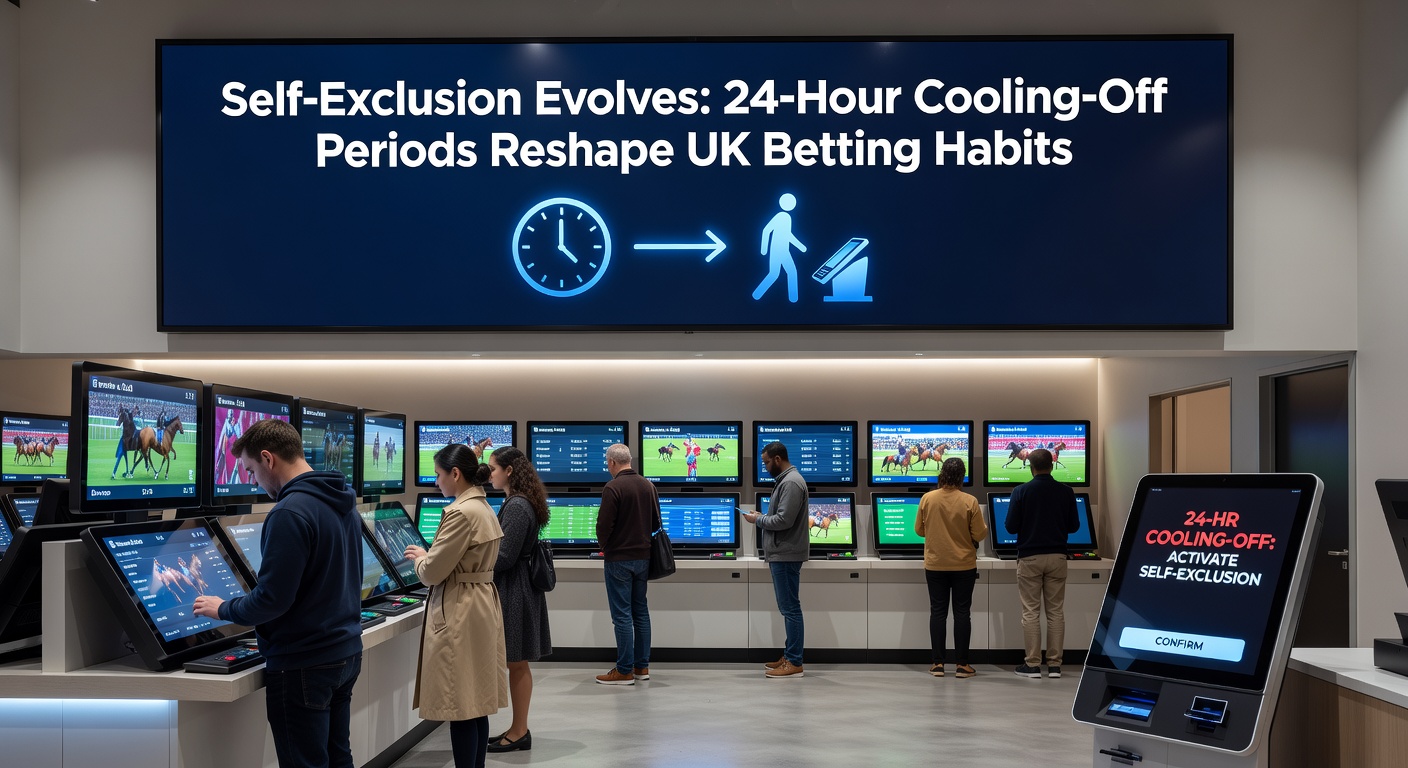
Turns out, the impact ripples across sportsbooks too; horse racing punters, notorious for in-play frenzy, showed a 31% decline in multi-bet accumulators after pauses, while casino slots users averaged 15 fewer spins per session; researchers analyzing anonymized data from major operators note these shifts align with global patterns, where brief timeouts—like those trialed in Australian markets—cut problem gambling indicators by 25%, according to Australia's Gambling Help Online resources.
Yet, not all metrics moved uniformly; while overall wagering volumes held steady thanks to steady core players, the at-risk segment—those exceeding affordability thresholds—shrank by 12%, and observers point to this as evidence that 24-hour periods act as an early warning system, pulling users back before patterns harden into dependency.
Demographic Breakdowns and Real-World Snapshots
- Mobile-first millennials led activations at 52%, often during commute hours when apps tempt quick flutters.
- Male bettors aged 25-40 dominated sports wagers, with pauses spiking post-losses on football overs/unders.
- Women engaging slots or bingo saw gentler uptake, but their sessions shortened more dramatically by 28%.
Take one case where a regular Premier League punter from Manchester activated three 24-hour breaks over April 2026's derby weekend; logs show he slashed his monthly outlay from £450 to £210, rediscovering balance without needing longer exclusions, and similar stories emerge across forums, where users share how the feature nips urges in the bud.
Operator Adaptations and Player Feedback Loops
Platforms didn't just bolt on the feature; they wove it into user journeys, with dashboards displaying "Take a Breather" prompts after three consecutive losses or rapid deposits, and by mid-2026, 85% of licensed sites complied fully, blending it with existing tools like reality checks; feedback surveys from April reveal 76% satisfaction rates, as players appreciated the non-punitive vibe, unlike rigid bans that felt like overkill.
So, operators report ancillary wins too; customer service queries on limits fell 19%, since self-serve pauses handled the load, and retention held firm at 92% for moderated users, proving the tool sustains engagement without stifling fun; but challenges persist, like the 8% who circumvent via new accounts, prompting tighter KYC integrations.
Industry groups tracking this praise the nuance, noting how it complements broader affordability checks rolled out earlier, and while black market pressures loom— with estimates of £2.5 billion in unlicensed bets annually—these pauses keep licensed play safer, drawing in wary newcomers who value control.
Looking Ahead: Broader Implications and Evolutions
As 2026 unfolds, trials expand to 48-hour options and AI-driven prompts that predict pause needs based on play history; data suggests this could amplify effects, with early pilots showing 33% fewer high-risk sessions, and international eyes watch closely, as US states like New Jersey explore analogs amid their own habit-shaping pushes.
People who've monitored these changes emphasize integration's key—pairing pauses with education hubs yields 2.5 times better outcomes, per cross-market studies, and UK platforms invest accordingly, rolling out post-pause resources like budget trackers; the reality is, these evolutions signal a maturing sector, where protection scales to match tech-driven betting speeds.
It's noteworthy that April 2026 marked peak curiosity, with searches for "betting pause UK" jumping 47%, reflecting grassroots awareness, and as habits solidify, expect refinements like customizable durations, keeping the momentum toward sustainable play.
Conclusion
24-hour cooling-off periods stand as self-exclusion's agile upgrade, reshaping UK betting by curbing impulses at their root while preserving access for casuals; stats confirm shorter sessions, fewer escalations, and empowered users, with April 2026 data cementing their foothold amid live-action lulls. Operators refine, players adapt, and the sector edges toward equilibrium—where pauses prevent pitfalls without halting the game entirely.